Pakistan, a country rich in history and culture, is home to many remarkable historical landmarks that stand as testament to its vibrant past. These landmarks reflect the ancient civilizations, religious diversity, and architectural grandeur that have shaped the region over millennia. From ancient archaeological sites to majestic forts and shrines, Pakistan offers a diverse array of monuments that tell fascinating stories about the nation’s heritage. Here are some of the most iconic historical landmarks in Pakistan.
1. Mohenjo-Daro: The Cradle of the Indus Valley Civilization
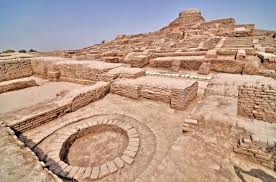
Mohenjo-Daro, located in the Sindh province, is one of the most significant archaeological sites in the world. It was one of the major urban settlements of the Indus Valley Civilization, dating back to 2500 BCE. Discovered in the 1920s, the site reveals a highly sophisticated city with well-planned streets, advanced drainage systems, and standardized building materials.
Mohenjo-Daro’s iconic Great Bath, a large public bathing structure, showcases the city’s attention to hygiene and urban planning. Today, it remains an essential destination for historians and tourists interested in ancient civilizations. Recognized as a UNESCO World Heritage Site, it is a vital link to understanding the origins of urban culture in South Asia.
2. Taxila: The Ancient City of Learning
Taxila, located near Islamabad, was a renowned center of learning and culture during the Gandhara civilization. This ancient city, dating back to the 6th century BCE, was a significant hub for Buddhist teaching and Greek influence after the invasion of Alexander the Great. It was here that the famous Buddhist monk, Ashoka the Great, spread Buddhism in the region.
Taxila was an ancient city in what is now northwestern Pakistan.
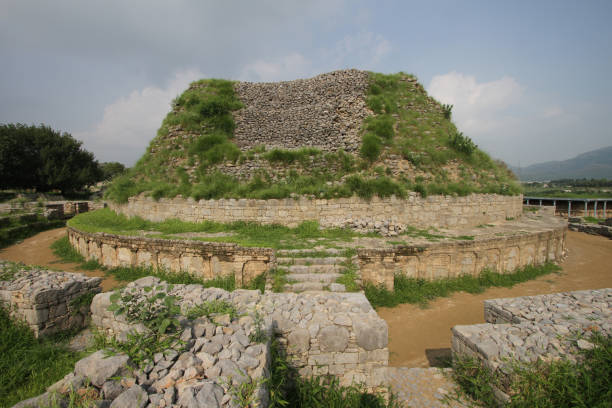
Taxila is home to several well-preserved Buddhist stupas and monasteries, including the Dharmarajika Stupa, built in the 3rd century BCE. The site also features ruins of universities, where scholars from across Asia studied subjects like philosophy, medicine, and arts. Today, it is another UNESCO World Heritage Site and a symbol of Pakistan’s historical importance as a center of knowledge.
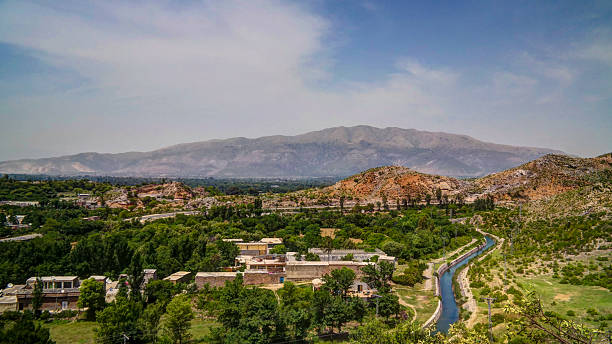
View of the Taxila heritage site, Punjab, Pakistan
3. Lahore Fort and Shalimar Gardens: Mughal Marvels
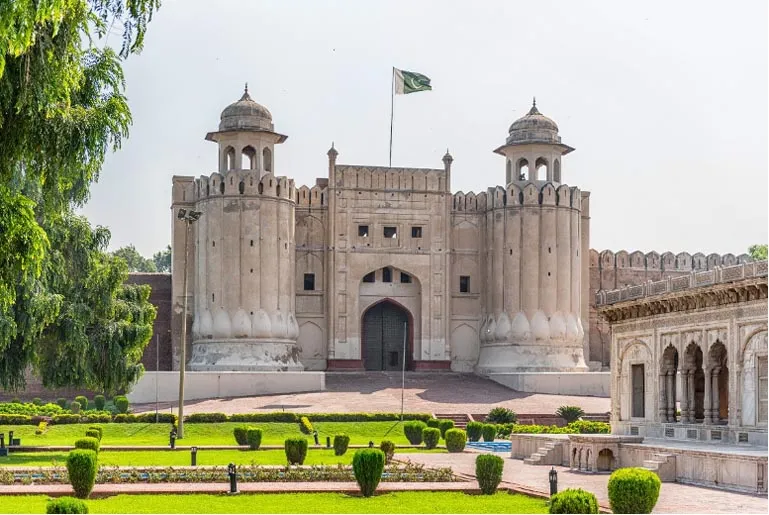
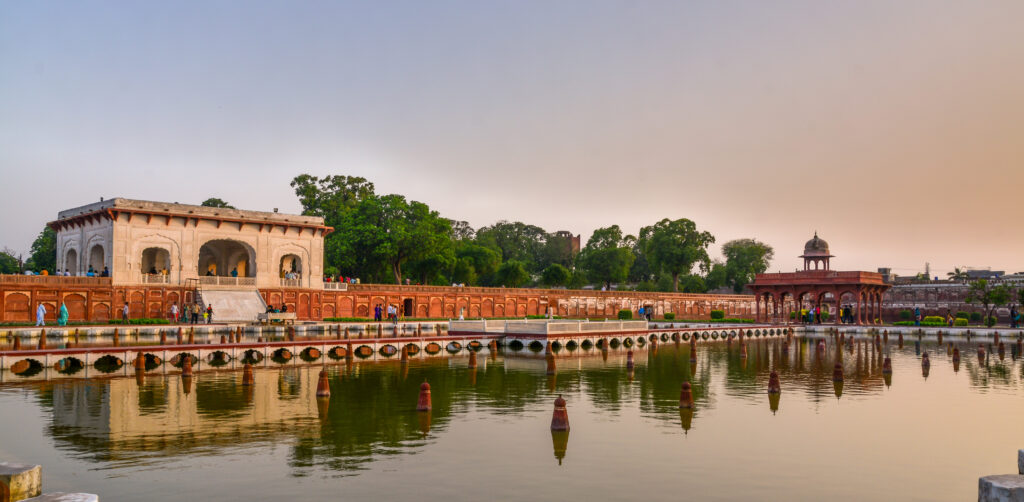
Lahore, the cultural heart of Pakistan, houses two of the most stunning Mughal-era landmarks: the Lahore Fort and the Shalimar Gardens. Both were commissioned by Mughal emperors, showcasing the splendor of Mughal architecture and garden design.
The Lahore Fort, a massive fortress built during Emperor Akbar’s reign in the 16th century, stands majestically in the heart of the city. Its Sheesh Mahal (Palace of Mirrors) and Naulakha Pavilion are celebrated for their intricate tile work and mirror mosaics.
M.ASHAR
The Shalimar Gardens, built by Emperor Shah Jahan in 1641, epitomize the Mughal passion for landscape design. These terraced gardens, with their symmetrical layout, flowing water channels, and fountains, represent the Mughal concept of paradise on earth.
Both the Lahore Fort and Shalimar Gardens are UNESCO World Heritage Sites and are revered for their historical and architectural significance.
4. Rohtas Fort: A Symbol of Afghan-Mughal Struggles
Rohtas Fort, located near the town of Jhelum, is a massive garrison fort built by Sher Shah Suri in the 16th century to defend his empire against the Mughal emperor Humayun. The fort is a striking example of Afghan military architecture, designed to withstand sieges and invasions.
Spread over 4 km, Rohtas Fort has 12 gates, with the Sohail Gate being the most grand. Its blend of Afghan and Mughal architecture symbolizes the power struggles of the era. The fort remains one of the best-preserved fortresses in South Asia and is listed as a UNESCO World Heritage Site.
5. Badshahi Mosque: The Grandeur of Mughal Architecture
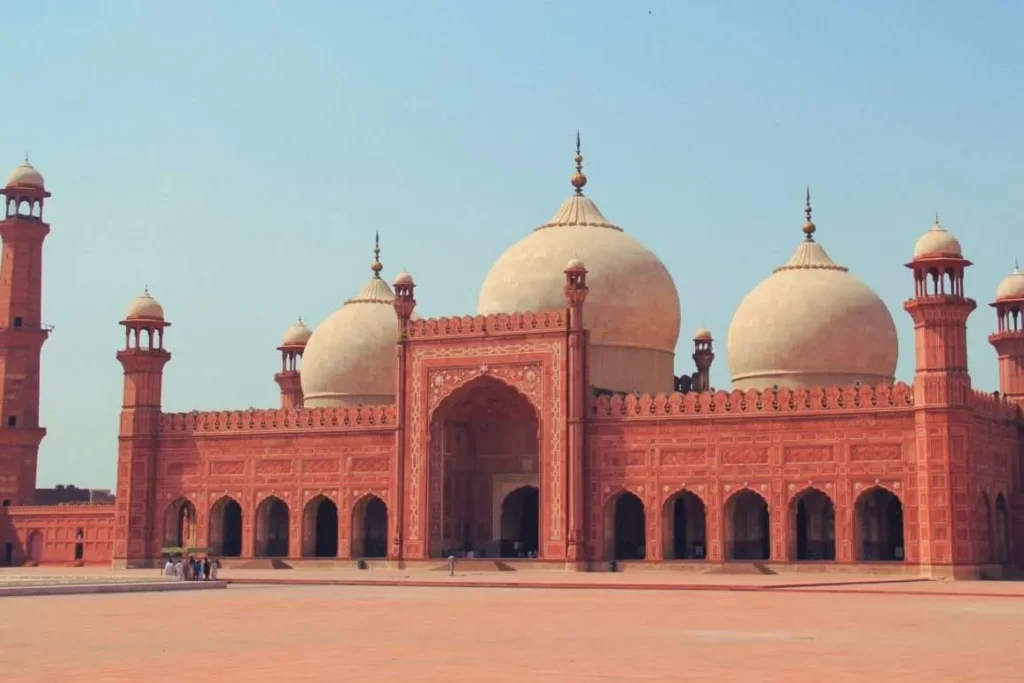
The Badshahi Mosque in Lahore, built by Emperor Aurangzeb in 1673, is one of the largest mosques in the world and a quintessential example of Mughal architecture. Constructed in red sandstone with marble inlays, its massive courtyard can hold up to 100,000 worshippers, making it a symbol of the Mughal Empire’s grandeur and power.
The mosque’s minarets and domes, coupled with its detailed embellishments, make it one of the most iconic landmarks in Pakistan. The mosque’s interior is just as breathtaking, with intricate frescoes, calligraphy, and geometric designs adorning its walls and ceilings.
6. Khyber Pass: The Gateway to South Asia
The Khyber Pass, a mountain pass connecting Pakistan with Afghanistan, has been a crucial trade and invasion route throughout history. It has witnessed the movement of many armies, including those of Alexander the Great, the Mughals, and the British Empire. For centuries, it was a part of the Silk Road, linking the region to Central Asia.
The pass is dotted with historical landmarks, including the Bab-e-Khyber, a monument commemorating the significance of this gateway. Today, the Khyber Pass remains a powerful symbol of the region’s strategic importance and rich history.
7. Makli Necropolis: The City of Silence
Makli Necropolis, located near the town of Thatta in Sindh, is one of the largest and oldest burial grounds in the world. It covers an area of over 10 square kilometers and contains the tombs of kings, queens, saints, and scholars dating back to the 14th century.
The tombs are beautifully adorned with intricate carvings and glazed tiles, reflecting the architectural styles of the Mughal, Hindu, and Islamic periods. A UNESCO World Heritage Site, Makli is often called the “City of Silence” due to its vast, serene expanse.
8. Quaid-e-Azam’s Mausoleum: A Symbol of Pakistan’s Independence
The Mausoleum of Quaid-e-Azam, located in Karachi, is the final resting place of Muhammad Ali Jinnah, the founder of Pakistan. This white marble structure, with its iconic dome and simplicity, serves as a symbol of Pakistan’s struggle for independence.
Completed in 1970, the mausoleum stands in a well-maintained garden and attracts visitors from across the country who come to pay their respects to the “Father of the Nation.”
Foreigners are free to roam around in this areas once they get Pakistan Visa.