Imagine standing amidst the breathtaking peaks of the Karakoram, a local menu in hand, feeling both thrilled and a little lost. What is Mamtu? Is yak meat worth trying? How do you find a vegetarian meal that isn’t just a side dish? Don’t let uncertainty prevent you from diving into one of the most memorable parts of your journey. This guide is your trusted companion on a delicious discovery of the best local food in Gilgit-Baltistan, ensuring you don’t miss a single authentic bite.
Prepare for an unforgettable culinary adventure that goes beyond the plate. We’ll introduce you to the must-try traditional dishes, from the tangy warmth of Hunza’s famous apricot soup to the hearty, soul-soothing noodle dishes of Skardu. You’ll learn the stories behind the recipes, understand unique local ingredients, and feel completely confident ordering your next meal. Get ready to turn your trip into a vibrant tapestry of flavors and create cherished memories, one delicious dish at a time.
Key Takeaways
- Discover how Gilgit-Baltistan’s breathtaking landscape shapes its cuisine, which is built on hearty, organic ingredients like apricots, walnuts, and buckwheat.
- Go beyond the usual tourist fare by learning the names of must-try savory dishes and warming stews to find the best local food in Gilgit Baltistan.
- Understand the essential role of comforting soups and noodle bowls, the ultimate soul food for chilly mountain evenings and a staple of local nutrition.
- Get actionable tips for finding the most authentic culinary experiences by looking beyond restaurants to local homes and small roadside eateries (dhabas).
Why Gilgit-Baltistan’s Food is an Adventure in Itself
In the heart of Pakistan’s majestic north, where colossal peaks touch the sky, lies a culinary landscape as breathtaking and rugged as the terrain itself. The food of Gilgit-Baltistan is not just sustenance; it’s a story of resilience, tradition, and the profound connection between people and their environment. Forget complex spice blends and elaborate techniques; this is a cuisine built on purity, warmth, and ingredients harvested from the highest altitudes. Embarking on a journey to discover the best local food in Gilgit Baltistan is an unforgettable adventure for your taste buds, offering a genuine taste of mountain life.
The local diet is a masterclass in using nature’s bounty. Hearty, organic, and deeply nourishing, it’s designed to provide energy for life in a demanding climate. Central to this experience is the legendary hospitality of the local people, where every meal is an invitation and every dish is served with genuine warmth. Food is the language of welcome here, a tradition that turns a simple dinner into a cherished memory.
The Holy Trinity of Local Ingredients
Three core ingredients form the backbone of this unique cuisine, each telling a tale of its mountain origins:
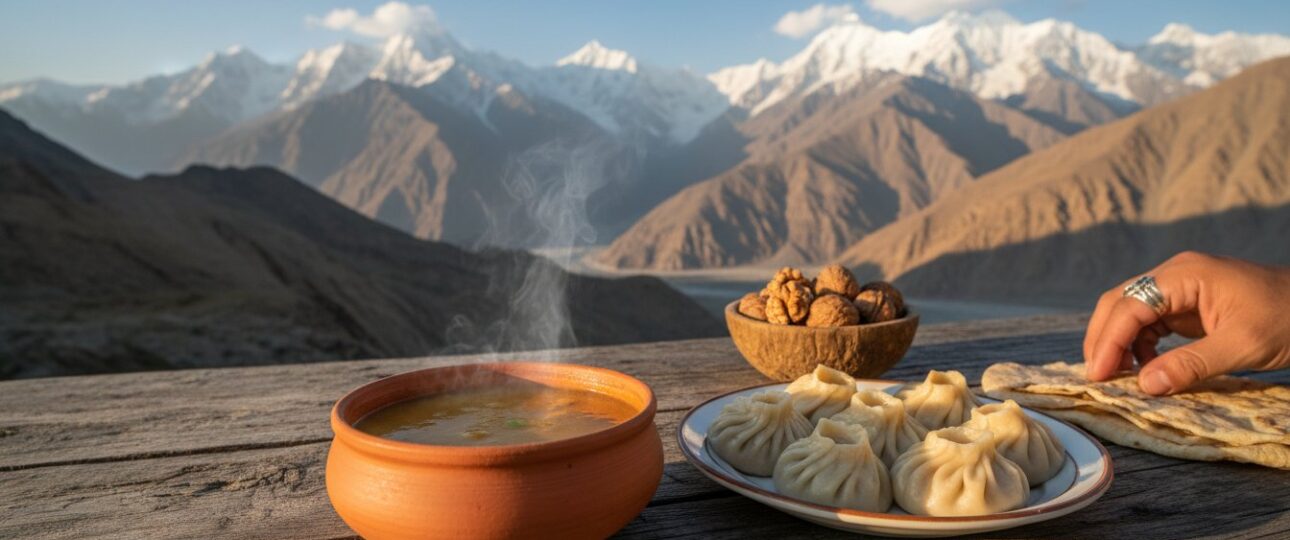
- Apricots (Chulli): Often called “the gold of the north,” apricots are incredibly versatile. The fruit is eaten fresh and dried, the kernel is pressed for its aromatic oil, and it even forms the base of delicious, tangy soups (Doudo Soup) and jams.
- Buckwheat (Prapo): This hardy grain thrives in high altitudes where others cannot. It’s ground into flour to make traditional flatbreads (phitti) and savory cakes, providing essential carbohydrates for energy.
- Yak Meat (Gyack): A true taste of the high pastures, yak meat is a lean, dark, and richly flavored protein. It’s a sustainable source of nourishment and a key ingredient in slow-cooked stews and savory dumplings.
A Cuisine Shaped by the Mountains
Every dish reflects the practicalities of mountain living. The geography dictates a diet rich in healthy fats and complex carbohydrates-from walnuts and apricot oil to barley and buckwheat-to fuel the body against the cold. This unique blend of influences makes Gilgiti cuisine a fascinating study in culinary adaptation, with subtle echoes of Central Asian, Tibetan, and broader Pakistani flavors. Traditions like slow-cooking and sun-drying meats and fruits are not just for flavor; they are age-old preservation methods essential for surviving the long, harsh winters, ensuring that the warmth of the harvest lasts all year round.
Hearty Savory Dishes: The Cornerstones of GB Cuisine
Get ready to dive into the heart and soul of Gilgiti cuisine! These savory main courses are the dishes that have fueled mountaineers and warmed families for generations. You won’t find these culinary gems in fancy restaurants; the real magic happens in cozy local homes and humble roadside dhabas. While recipes may vary slightly from one majestic valley to the next, the core philosophy remains the same: using fresh, locally sourced ingredients prepared with simple, time-honored methods. This is where your unforgettable culinary adventure truly begins.
Mamtu: The Famous Mountain Dumplings
Imagine delicate, steamed dumplings filled with a savory mix of minced meat and finely chopped onions. That’s Mamtu. These beloved parcels of flavor are a staple, especially popular in the Gilgit and Hunza regions. The filling, typically beef or yak meat, is seasoned simply with garlic and salt, allowing the quality of the ingredients to shine. They are often served steaming hot with a sprinkle of black pepper, a side of vinegar, or a zesty chili sauce for an extra kick.
Chapshoro: The Hunzai Pizza
Often called the “Hunzai Pizza,” Chapshoro is a hearty, meat-filled flatbread that’s a complete meal in itself. A golden, oven-baked crust encases a delicious filling of minced yak or beef, onions, tomatoes, and local peppers. Its genius lies in its portability; originally made for shepherds and travelers on long journeys, it’s the perfect, hassle-free meal for any adventurer exploring the breathtaking Hunza Valley. It’s a true taste of local ingenuity and tradition.
Harissa: The Power-Packed Porridge
If you are lucky enough to be offered Harissa, you are in for a special treat. This is not your average porridge; it’s a rich, slow-cooked delicacy made from wheat, meat (usually mutton), and lentils, simmered for hours until it reaches a thick, luscious consistency. Topped with a generous dollop of sizzling local butter, it’s a warming and incredibly nutritious dish. As a labor-intensive meal traditionally reserved for festivals, finding Harissa is a sign of genuine local hospitality and a key part of experiencing the best local food in Gilgit Baltistan.

Warming Soups & Noodles: Comfort in a Bowl
As the sun dips behind the majestic peaks of the Karakoram, the mountain air turns crisp and cool. This is when the true magic of Gilgit Baltistan’s culinary scene comes alive in steaming, aromatic bowls. More than just a meal, the region’s soups and noodles are a daily source of nourishment and comfort, a tradition passed down through generations. Featuring rich, slow-cooked meat broths and rustic, hand-pulled noodles, these dishes offer an authentic taste of mountain life and are a strong contender for the best local food in gilgit baltistan.
Dawdoo: The Classic Apricot Soup
A specialty of the enchanting Hunza valley, Dawdoo is a soup unlike any other. It strikes a beautiful balance between sweet and sour, thanks to its star ingredient: sun-dried local apricots. This light yet deeply flavorful broth is simmered with delicate, hand-made wheat noodles and often includes tender pieces of chicken. Packed with vitamins, it’s the perfect restorative dish during the cold winter months, offering a taste of sunshine in a bowl.
Balay: Baltistan’s Hearty Noodle Soup
Venture into the rugged landscapes of Baltistan, and you’ll discover Balay, the ultimate comfort food. This is a thick, hearty soup designed to refuel you after an unforgettable day of trekking or exploring. It features unique, gummy hand-stretched noodles swimming in a rich, gravy-like broth made from goat meat and seasoned with fragrant local herbs. A signature dish around Skardu, a bowl of Balay is a warm, welcoming embrace from the local culture.
Prapu: Noodles with a Walnut Twist
Showcasing the incredible diversity of the region’s produce, Prapu is a vegetarian delight that will captivate your taste buds. This unique dish from Baltistan consists of wheat noodles served not in a broth, but coated in a luxuriously creamy sauce. The sauce is a masterful blend of ground walnuts, nutty apricot oil, and crumbled local cheese, creating a rich and savory flavor profile. It’s a true local specialty and an essential part of any foodie’s journey.
From the sweet tang of Hunzai apricots to the earthy richness of Balti walnuts, each bowl tells the story of its valley. Trying these dishes is an essential part of any culinary adventure and is key to discovering the very best local food in Gilgit Baltistan.
Local Breads, Snacks & Drinks: The Soul of the Mountains
Beyond the hearty main courses, the true soul of Gilgit-Baltistan’s culinary landscape is found in its simple, life-sustaining breads, snacks, and drinks. These are not mere side dishes; they are the rhythm of daily life, offering warmth, energy, and a taste of the region’s incredible hospitality. From the first light of dawn to a gathering around the fire, these staples are an unforgettable part of any authentic mountain adventure.
Giyalin / Gyal: Buckwheat Cakes
Imagine a thin, savory pancake crafted from earthy buckwheat flour, a grain that thrives in the high-altitude climate. This is Giyalin. Often served flat or layered with a generous spread of local butter or glistening apricot oil, it’s a nutritious, gluten-free powerhouse. Perfect for breakfast, Giyalin is a classic example of the simple, high-energy food that has fueled mountain communities for generations.
Phitti: The Traditional Breakfast Bread
No morning in Hunza is truly complete without the comforting aroma of freshly baked Phitti. This traditional whole wheat bread is baked on a hot stone or in a stone oven, giving it a uniquely dense and satisfying texture. Served warm with a slab of fresh butter and a steaming cup of tea, it is the quintessential breakfast that prepares you for a day of exploration and discovery. It’s simple, wholesome, and utterly delicious.
Payu Cha: The Energizing Butter Tea
Perhaps the most iconic beverage of the high mountains, Payu Cha (butter tea) is an experience in itself. This salty brew is made with green tea leaves, rich yak butter, and salt, creating a high-calorie drink essential for combating the biting cold. While its savory flavor can be an acquired taste for travelers, accepting a cup is a gesture of friendship and a must-try cultural experience. In Gilgit-Baltistan, every home welcomes you with the warmth of Payu Cha.
Exploring these simple delights is fundamental to discovering the best local food in Gilgit Baltistan, offering a genuine taste of the region’s resilience and warmth. Ready to embark on your own unforgettable culinary journey? Explore our tailor-made tours to Gilgit-Baltistan and experience the magic firsthand.
How to Find the Most Authentic Food in Gilgit-Baltistan
To truly taste the soul of this majestic region, you must venture beyond the usual tourist restaurants. The quest for the best local food in Gilgit Baltistan is an unforgettable adventure in itself, leading you to flavors and experiences that are as breathtaking as the landscapes. It’s about connecting with the culture, one delicious meal at a time, and discovering the genuine warmth of its people.
Look for Local Eateries (Dhabas)
Your journey into authentic cuisine begins at the humble local eateries, or dhabas. These small, often family-run spots are where you’ll find the real heart of Gilgit-Baltistan’s food scene. Don’t expect a fancy menu; instead, you’ll find a few traditional dishes made fresh daily with local ingredients. The best way to find these hidden gems is to ask your local guide or driver for their personal recommendations-they always know where to go for a truly satisfying meal.
The Magic of a Home-Cooked Meal
For the ultimate culinary experience, nothing compares to sharing a meal in a local home. This is where you move beyond being a tourist and become a guest, welcomed with the incredible hospitality the region is famous for. Sharing a freshly prepared dish in a family kitchen is a memory you will cherish forever. The most respectful and seamless way to arrange this is through a knowledgeable guide who has deep connections with the community. Our guided tours connect you with authentic local experiences, making these magical moments possible.
Food Festivals and Special Occasions
Planning your trip around a local festival can turn your adventure into a culinary celebration. Seasonal events like the Silk Route Festival or traditional harvest celebrations like the Ginani festival in Hunza showcase a vibrant array of traditional foods. These occasions offer a unique opportunity to sample rare and festive dishes that you won’t find on a regular menu, all while immersing yourself in the joyful local culture.
By stepping off the beaten path, you not only find the best local food in Gilgit Baltistan but also create a deeper, more meaningful connection with its land and people. Always remember to be a gracious guest, respecting local customs and traditions on your delicious journey.
Savor the True Spirit of the Mountains
As we’ve journeyed through the flavors of the north, it’s clear that the cuisine of Gilgit-Baltistan is more than just food; it’s the heart of the culture. From the savory depths of hearty dishes like Harissa and Mamtu to the comforting warmth of a traditional Dowdo soup, exploring the best local food in Gilgit-Baltistan is an essential part of any true adventure into these majestic mountains. Each dish tells a story of heritage, resilience, and warm hospitality.
Reading about these delights is one thing, but experiencing them firsthand is where the real magic happens. With iMusafir.pk, your culinary exploration becomes an authentic cultural immersion. Our passionate local guides know the hidden spots and family-run kitchens that tourists often miss, taking you beyond the trails. We make travel completely hassle-free, allowing you to focus on the incredible flavors and breathtaking views. Taste these incredible dishes yourself on an unforgettable iMusafir.pk tour of Gilgit-Baltistan!
Your unforgettable culinary journey in Pakistan’s paradise awaits.
Frequently Asked Questions About Gilgit-Baltistan’s Cuisine
Are there good vegetarian food options in Gilgit-Baltistan?
Absolutely! While the cuisine is known for its hearty meat dishes, vegetarians will find a delightful array of options. You can enjoy dishes like Gooli, which are savory buckwheat pancakes, or Diram Fitti, a wholesome bread served with fresh apricot oil and local cheese. Most eateries also offer delicious lentil stews (daal) and vegetable curries made with fresh, locally-sourced produce, ensuring you have a flavorful and authentic culinary experience during your journey.
What does yak meat taste like and is it safe to eat?
Yak meat is a unique culinary adventure you shouldn’t miss! It has a rich, slightly sweet flavor, often compared to lean, grass-fed beef but with a more distinct and robust taste. It is perfectly safe to eat and is a staple in the local diet, packed with protein and nutrients. When sourced from reputable local restaurants and homes, it is prepared hygienically, offering you an authentic and safe taste of the mountains’ bounty and traditions.
Is the local food in Gilgit-Baltistan very spicy?
Generally, the local cuisine of Gilgit-Baltistan is flavorful rather than fiery. The focus is on rich, savory, and aromatic tastes derived from natural ingredients like walnuts, almonds, and pure apricot oil. Spices are used to add warmth and depth, not overwhelming heat. This makes the food very approachable for most palates. If you are sensitive to spice, you can rest assured that the dishes here are typically mild and comforting, showcasing the region’s organic produce.
What is the role of apricots in the local cuisine?
Apricots are the heart and soul of Gilgit-Baltistan’s cuisine and culture. This versatile fruit is used in countless ways-eaten fresh, dried for the winter, or pressed into a rich, nutty oil called chuli ka tel. This oil is a key ingredient in many dishes, including the famous Diram Fitti. Apricot soup (Doudo) is another local delicacy. This widespread use gives many of the best local food in gilgit baltistan a unique, unforgettable sweet and tangy flavor profile.
Is it safe to drink the local water or should I stick to bottled water?
To ensure a completely hassle-free and healthy trip, we strongly recommend sticking to bottled mineral water. While the local glacial and spring water is pure and consumed by residents, a traveler’s digestive system may not be accustomed to its mineral content. Bottled water is widely available and affordable in all major towns and tourist spots. It’s a simple precaution that helps you stay hydrated and focused on enjoying your incredible mountain adventure without any worries.
What are some food etiquette tips I should know before visiting a local home?
Experiencing local hospitality is a beautiful part of any visit. If invited to a home, always use your right hand for eating, giving, and receiving items. It’s polite to accept any food or tea offered, as refusal can be seen as impolite. Wait for your host to begin eating before you start. Sharing a meal is central to the culture, and embracing these simple customs is a wonderful way to connect and discover the best local food in gilgit baltistan.