
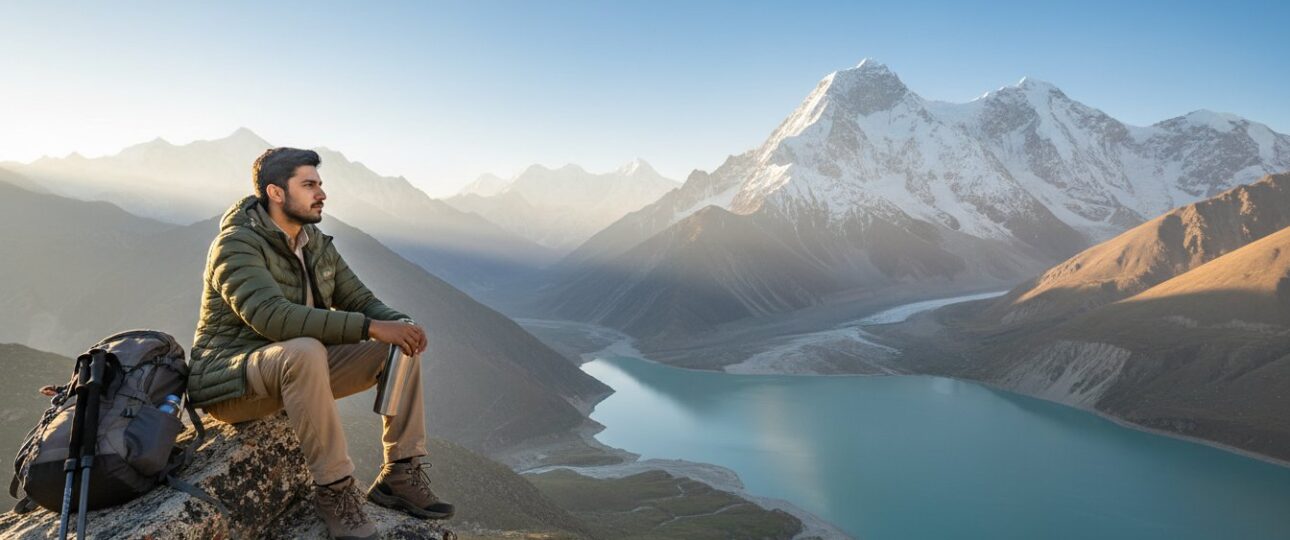
Picture this: You’re standing before the majestic peaks of Skardu, the air crisp and the scenery more breathtaking than you ever imagined. But a nagging worry lingers-what if this dream journey is ruined by a throbbing headache? You’re not alone in searching for reliable altitude sickness in skardu tips. The fear of getting sick can cast a shadow over the most anticipated adventures, especially when you’re far from home and medical help.
Forget the anxiety. We’ve cut through the confusing medical jargon to bring you a practical, reassuring guide. In this article, you’ll get a simple, step-by-step plan to acclimatize properly, recognize the earliest warning signs, and react with confidence. Our goal is to empower you to embrace your unforgettable Skardu escape, focusing on the vibrant culture and serene landscapes, not on a potential illness. Let’s turn your travel dreams into a stress-free reality.
Key Takeaways
- Your prevention plan starts before you even pack. Discover the simple hydration and diet adjustments to make at home for a smoother arrival in Skardu.
- The first 72 hours are crucial for success. Learn the golden rule for your arrival day that helps your body acclimatize properly for a symptom-free adventure.
- Get practical altitude sickness in Skardu tips, including how to recognize mild symptoms like a ‘high-altitude hangover’ and respond smartly without derailing your trip.
- Travel with complete peace of mind by understanding how a professionally planned itinerary builds in essential acclimatization time from the moment you land.
What is Altitude Sickness and Why is it a Factor in Skardu?
Your dream journey to the majestic mountains of Skardu is about to begin! As you prepare for breathtaking views and unforgettable adventures, there’s one crucial aspect to understand: altitude sickness. In simple terms, Acute Mountain Sickness (AMS) is your body’s natural reaction to the lower oxygen levels found at high elevations. It’s a sign that your body needs more time to adjust to the change.
Skardu sits at a significant altitude, with its airport at 2,230 meters (7,316 feet). The primary reason altitude sickness is a major consideration here is the method of arrival. Flying directly from sea-level cities like Karachi or Islamabad introduces your body to this high altitude in just over an hour. This rapid ascent is a shock to the system, contrasting sharply with the gradual, multi-day acclimatization that happens naturally when driving up the legendary Karakoram Highway. Understanding this is the first of our essential altitude sickness in skardu tips.
Understanding the Basics of ‘Thinner Air’
It’s a common misconception that there’s “less air” at high altitudes. A better way to picture it is that the air is “thinner”-the oxygen molecules are simply more spread out. This means with every breath you take, you get less oxygen than you’re used to. It’s important to know that anyone can be affected, regardless of age, fitness level, or previous travel experience. For a more detailed look at the science, Wikipedia offers a comprehensive overview of altitude sickness and its effects. Remember, experiencing mild symptoms is a normal physiological response, not a sign of weakness.
The Skardu Factor: The Challenge of Flying In
Going from near sea level to over 2,200 meters in a short flight is the biggest challenge for visitors. This swift change doesn’t give your body the precious time it needs to produce more red blood cells and adapt to the lower oxygen pressure. This is precisely why planning for proactive acclimatization upon arrival isn’t just a suggestion-it’s a non-negotiable step to ensure your Skardu adventure is as comfortable and unforgettable as the majestic landscape itself.
Your Proactive Checklist: How to Prepare Before You Leave Home
An unforgettable journey into the majestic heart of Skardu begins with smart preparation at home. The key to a seamless, high-altitude adventure is to give your body a head start before you even leave. By focusing on proper hydration and a healthy, carbohydrate-rich diet a few days in advance, you’ll land feeling stronger and more prepared. These proactive steps are among the most effective altitude sickness in skardu tips we can offer, ensuring you spend your holiday enjoying the breathtaking views, not fighting a headache.
Consult Your Doctor About Your Trip
Your health is your most valuable travel companion. Before your trip, we strongly advise scheduling a visit with your doctor to discuss your travel plans. Be specific: mention that you will be flying directly into Skardu, which sits at an elevation of over 2,200 meters (7,300 feet). This is especially crucial if you have any pre-existing medical conditions. Your doctor can provide personalized advice and may discuss preventative medication like Acetazolamide (Diamox). Remember, this is a prescription medication and should only be taken under professional medical guidance. This is not medical advice, but a strong recommendation to seek an expert opinion for a safe and worry-free journey.
Part of that worry-free journey includes being prepared for any eventuality with proper travel health insurance. For international travelers, securing the right coverage is as crucial as packing a first-aid kit. Companies specializing in this area, such as Insurance VISA, provide essential services for foreigners needing health coverage abroad, ensuring you’re protected far from home.
Packing Your High-Altitude Essentials
A small, well-stocked kit can make a world of difference in your comfort and well-being. Think of it as your personal high-altitude support pack, ready to tackle any minor discomforts so you can get back to your adventure. Tucking these items into your carry-on ensures they are available from the moment you land. While this preparation helps manage mild symptoms, being educated on recognizing altitude sickness symptoms is your most powerful tool for staying safe.
- Reusable Water Bottle: A constant reminder to stay hydrated. Aim to drink 3-4 liters of water per day.
- Electrolyte Powders or Tablets: Add these to your water to help your body absorb fluids more efficiently and replace essential minerals.
- Headache Relief: Pack a simple pain reliever like Ibuprofen or Paracetamol for any mild altitude-related headaches.
- Smart Snacks: Ginger chews are fantastic for settling an upset stomach, while high-carbohydrate energy bars provide a quick fuel source.
- Personal First-Aid Kit: Include any of your regular prescription medications, along with essentials like band-aids and antiseptic wipes.

The 72-Hour Skardu Acclimatization Plan: Your Key to Success
Your unforgettable journey into the heart of the Karakoram begins the moment you land, but your adventure’s success hinges on the first three days. Many travelers make the mistake of rushing to see everything at once, which is the fastest way to feel the effects of the altitude. This simple schedule is one of the most effective altitude sickness in skardu tips we can offer, giving your body the precious time it needs to adapt. This gentle start allows your body to begin producing more red blood cells to carry oxygen more efficiently. As the NIH explains Acute Mountain Sickness, giving your body this time is non-negotiable for a safe and enjoyable journey.
Day 1: Arrive, Rest, and Hydrate
The golden rule for day one is simple: stay low and go slow. Upon landing at Skardu Airport (2,228 meters), the thinner air is immediately noticeable. Your only job today is to rest and allow your body to begin its adjustment.
- Move Slowly: Avoid rushing to collect your luggage or find transport. Have your transfer with iMusafir pre-booked for a seamless, stress-free arrival.
- Prioritize Rest: Check into your hotel and take a nap or relax for several hours. Avoid any strenuous activity-this includes long walks or exploring.
- Hydrate Relentlessly: Drink plenty of water. Aim for at least 3-4 liters. Herbal teas and clear soups are also excellent choices. Strictly avoid alcohol and caffeine, as they can dehydrate you.
- Evening Stroll: If you feel up to it, a very short, flat walk around your hotel’s garden in the evening is all the activity you need.
Day 2: Gentle Local Exploration
After a full night’s rest, your body will be feeling more settled. Today is for gentle discovery, not demanding treks. The goal is to stay active without overexerting yourself. Explore the charm of Skardu town at a leisurely pace, perhaps visiting the vibrant Skardu Bazaar to see local life or taking a slow, serene walk along the banks of the majestic Indus River. Continue to hydrate and focus on light, high-carbohydrate meals to fuel your body. Most importantly, listen to your body; if you feel tired or a headache is developing, rest immediately.
Day 3: Testing the Waters with a Short Trip
Today, you’ll put the famous ‘climb high, sleep low’ principle into practice. Plan a relaxing half-day trip to a nearby location at a slightly higher elevation, like the breathtaking Upper Kachura Lake (Shangrila Resort). This gentle ascent exposes your body to a higher altitude for a short period before you return to the lower elevation of Skardu to sleep. This process is a fantastic way to accelerate acclimatization. Pay close attention to how you feel during and after the excursion. By the end of day three, your body will be significantly better prepared for the grand adventures that await in the days ahead.
Recognizing Symptoms and Responding Smartly
Your incredible journey to Skardu is an adventure, and as you ascend, your body will be adjusting to the new heights. Sometimes, it sends signals that it needs a little help. Recognizing these signs early is one of the most important altitude sickness in Skardu tips you can learn. Mild symptoms are common and shouldn’t cause panic. Think of it like a ‘high-altitude hangover’ – a clear sign to slow down, not to stop your unforgettable trip. A smart, swift response is all it takes to prevent a minor issue from becoming serious.
Mild Symptoms: Your Body is Talking, Listen!
When you first feel a bit off, don’t ignore it. Pushing through to keep up with the schedule is a common mistake that can make things worse. Instead, communicate how you feel, listen to your body, and take these simple, effective steps.
- Headache or Dizziness: This is the most common sign. The best response is to stop, rest, drink plenty of water, and take a simple painkiller if needed.
- Fatigue or Loss of Appetite: Feeling unusually tired is normal as your body works harder. Allow yourself to rest and don’t force big meals.
- Nausea: A queasy stomach can spoil the majestic views. Sip on ginger tea or warm water and stick to light, simple foods like soups or crackers, avoiding anything heavy or greasy.
When to Take Action: The Red Flags
While mild symptoms are manageable, it’s vital to recognize the signs that require immediate attention. These ‘red flags’ are rare, but your safety is our top priority. If you or someone in your group experiences any of the following, action is not optional:
- A severe, persistent headache that doesn’t improve with rest or painkillers.
- Persistent vomiting.
- Feeling confused, disoriented, or struggling with coordination and balance.
- Extreme shortness of breath, especially while resting.
The only effective treatment for severe altitude sickness is to descend to a lower elevation immediately-no exceptions. This is where traveling with professionals makes all the difference. Our iMusafir guides are not just experts on breathtaking trails; they are trained to spot these signs early and will always prioritize your well-being over any itinerary. Your safety is the foundation of every great adventure we plan.
Ready to explore Northern Pakistan with a team that puts your safety first? Discover our hassle-free domestic tour packages today!
Travel with Confidence: How iMusafir Plans for Your Safety
Understanding how to prevent Acute Mountain Sickness (AMS) is crucial, but putting that knowledge into practice can feel overwhelming when planning a trip. That’s where we come in. At iMusafir.pk, your safety and enjoyment are the foundation of every journey we design. We’ve integrated the best altitude sickness in Skardu tips directly into our tour packages, so you can focus on the breathtaking landscapes while we handle the logistics of a safe and unforgettable adventure.
Our commitment to your well-being means you can explore the majestic mountains of Gilgit-Baltistan with complete peace of mind.
Itineraries Designed for Safe Acclimatization
Our Skardu itineraries are more than just a list of destinations; they are a carefully crafted plan for your well-being. We build in a gradual ascent, ensuring your first one or two nights are spent in Skardu town (around 2,228 meters) to give your body the crucial time it needs to adapt. We intentionally schedule relaxing activities upon your arrival-like a gentle stroll through the local bazaar or enjoying the view from your hotel-never strenuous treks. This thoughtful pacing is our promise to make your trip both magical and safe.
Expert Local Guides Who Have Your Back
When you travel with iMusafir.pk, you’re never alone. Our guides are not just experts on the region’s history and culture; they are your frontline safety partners. Hailing from Gilgit-Baltistan, they have a lifetime of experience in high-altitude environments. They are trained to recognize the earliest signs of AMS and are empowered to adjust the itinerary on the spot-whether that means taking an extra rest day or seeking medical advice. This proactive care is one of the most vital altitude sickness in Skardu tips we can offer: travel with someone who has your back.
Your dream trip to Skardu shouldn’t be overshadowed by worry. With our flexible itineraries, 24/7 on-ground support, and a deep commitment to your health, we manage the risks so you can immerse yourself in the adventure. Let us turn your travel dreams into a seamless and safe reality.
Ready to explore the majestic north with a team that prioritizes your safety? Explore our safely-designed Skardu tour packages.
Your Unforgettable Skardu Adventure Awaits
The majestic peaks of Skardu are a dream destination, and with the right approach, you can experience their splendor safely. Remember, the key to a successful high-altitude journey lies in preparation before you leave and patient acclimatization once you arrive. By following these essential altitude sickness in skardu tips, you empower yourself to focus on making incredible memories, not worrying about your health.
At iMusafir, we build our adventures on a foundation of safety. Our itineraries are crafted by high-altitude experts, and our experienced local guides from Gilgit-Baltistan are your trusted companions on the ground. With our 24/7 support, you can explore with complete peace of mind, knowing we are with you every step of the way.
Ready to embrace the magic of Skardu, hassle-free? Discover Skardu with an expert team that puts your safety first. Browse our tour packages! Your breathtaking journey is just a click away.
Frequently Asked Questions About Altitude Sickness in Skardu
Is Skardu’s altitude dangerous for children or older travelers?
While children and older travelers can be more vulnerable to altitude sickness, Skardu is not off-limits. The key is taking extra precautions for a safe and unforgettable journey. We recommend a slower pace, emphasizing rest and hydration, and most importantly, consulting a doctor before your trip. With careful planning, travelers of all ages can safely experience the majestic beauty of Skardu and create wonderful memories together.
Can I prevent altitude sickness completely if I follow all the tips?
Following our essential tips will dramatically reduce your risk and help you manage symptoms, but complete prevention isn’t guaranteed as everyone’s body reacts differently. The best approach is to be prepared and listen to your body. These precautions ensure you are in the best possible position to enjoy a seamless and stress-free adventure in the breathtaking landscapes of Skardu without any major issues.
How long does it typically take to fully acclimatize in Skardu?
Most travelers start to feel well-adjusted to Skardu’s altitude (around 2,228 meters) within 24 to 48 hours. We always advise taking it very easy for the first two days. Avoid strenuous activities and allow your body this crucial time to adapt. Following these initial altitude sickness in Skardu tips is the most important step you can take to ensure a healthy and enjoyable trip from start to finish.
Are there any specific local foods or drinks in Skardu that help with altitude sickness?
Absolutely! Locals often recommend staying hydrated with plenty of water and sipping on herbal teas. A diet rich in carbohydrates is also beneficial as it requires less oxygen to digest. While in Skardu, enjoy local breads, potatoes, and pasta dishes. Avoiding heavy, fatty meals and alcohol for the first few days can make a significant difference in how you feel as you acclimatize to the high-altitude environment.
Do I need a prescription for Diamox (altitude sickness medication) in Pakistan?
In Pakistan, acetazolamide (Diamox) is often available at pharmacies without a prescription. However, we strongly advise against self-medicating. Your health and safety are paramount. It is always best to consult with your doctor before your trip to discuss whether this medication is right for you, understand the proper dosage, and be aware of any potential side effects. A quick chat with a professional ensures a worry-free adventure.
What should I do if my symptoms get worse despite resting?
If your symptoms-such as a severe headache, dizziness, or shortness of breath-worsen despite resting, you must seek medical attention immediately. Do not ascend any higher. Inform your guide or hotel staff right away, as they are trained to assist in these situations. The most effective treatment for worsening altitude sickness is to descend to a lower elevation as quickly and safely as possible.
Is it better to drive to Skardu than to fly to avoid altitude sickness?
Driving to Skardu offers a significant advantage for acclimatization. The road journey, typically over two days, allows for a slow and gradual ascent, giving your body valuable time to adjust. Flying puts you at a high altitude very rapidly, increasing the risk of symptoms upon arrival. If you choose to fly, it is absolutely essential to dedicate your first 48 hours in Skardu to resting and acclimatizing properly.
Does having a high level of fitness protect me from altitude sickness?
This is a common misconception. Altitude sickness can affect anyone, regardless of age, gender, or fitness level. Even world-class athletes can experience severe symptoms if they ascend too quickly. Acclimatization is about how your body adapts to lower oxygen levels, not about your physical strength or endurance. Therefore, even for fit travelers, following proper altitude sickness in Skardu tips is absolutely crucial.