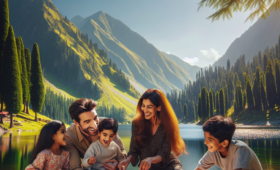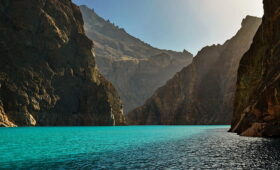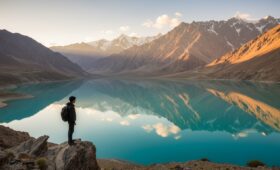
Hunza Valley, located in the Gilgit-Baltistan region of Pakistan, captivates travelers with its stunning landscapes and rich culture. Known for its towering peaks, lush valleys, and hospitable locals, Hunza offers a remarkable escape into nature and history.
Best Time to Visit
The ideal time to explore Hunza Valley is from April to November. During these months, travelers can enjoy pleasant weather, making it perfect for outdoor activities.
Weather Overview
– Spring (April to June): Mild temperatures and blooming flowers.
– Summer (July to August): Warm days; ideal for trekking.
– Autumn (September to November): Cool weather and vibrant autumn colors.
Travelers should plan their visit according to the activities they wish to engage in, whether it’s trekking, photography, or experiencing local festivals.
How to Get There
Reaching Hunza Valley requires a bit of planning, but it’s well worth the journey. Here are the main travel options:
- By Road: Most visitors travel by car from Islamabad. The journey takes around 20 hours, passing through stunning landscapes.
- By Air: Travelers can fly from Islamabad to Gilgit and then take a 2-3 hour drive to Hunza.
- Public Transport: Buses and vans operate from Islamabad to Gilgit, and then from Gilgit to Hunza.
Consider hiring a local guide for a smoother experience, as they can provide insights into the region and ensure you don’t miss key sights.
Accommodation Options
Hunza offers a range of accommodation choices, from budget guesthouses to luxurious hotels. Many lodgings provide stunning views of the surrounding mountains.
Popular Hotels and Guesthouses
– *Hunza Serena Inn*: Offers comfortable rooms and excellent service.
– *Baltit Inn*: Known for its traditional architecture and breathtaking views.
– *Altit Fort Residence*: A unique stay that combines history with luxury.
It’s wise to book in advance during peak season to secure your preferred accommodation.
Must-See Attractions
Hunza Valley is rich in historical and natural landmarks. Here are some essential stops during your visit:
- Baltit Fort: A UNESCO World Heritage site that offers insight into Hunza’s history.
- Altit Fort: A well-preserved fort that provides panoramic views of the valley.
- Passu Cones: Iconic peaks perfect for photography enthusiasts.
- Karimabad: The central hub for accommodations and dining.
Exploring these sites will deepen your understanding of the region’s cultural heritage.
Local Cuisine
Hunza’s culinary scene reflects its cultural diversity. Travelers can savor traditional dishes that highlight local ingredients.
Popular Dishes to Try
– *Chapshuro*: A meat-stuffed pastry that’s a local favorite.
– *Drajan*: A delicious stew made with local vegetables and meat.
– *Naan*: Freshly baked bread served with most meals.
Dining at local eateries not only satisfies your hunger but also supports the community.
Cultural Experiences
Immerse yourself in the rich culture of Hunza by participating in local festivals and interacting with the residents.
Travelers can enjoy events like the *Shandur Polo Festival*, which showcases traditional sports and local music. Engaging with the community provides a deeper appreciation of their way of life.
Travel Tips
To make the most of your journey to Hunza, consider the following tips:
- Stay Hydrated: Carry water, especially during hikes.
- Respect Local Customs: Dress modestly and be mindful of local traditions.
- Cash is King: Many places do not accept cards, so carry enough cash.
Planning ahead ensures a smooth and enjoyable experience in this beautiful valley.
Hunza Valley is not just a destination; it’s an experience that blends natural beauty with rich cultural heritage. By understanding the best times to visit and how to navigate the region, travelers can fully appreciate what this stunning area has to offer.