Hunza Valley, Gilgit-Baltistan: The Ultimate 2025 Travel Guide
Have you ever seen a photo of towering, snow-dusted peaks, impossibly blue rivers, and vibrant apricot blossoms and wondered if such a place truly exists? That legendary landscape is the Hunza Valley, Gilgit-Baltistan, a destination that whispers of adventure but can also feel worlds away. Perhaps you’ve asked yourself: Is it safe? How do I even get there? What if I miss the most breathtaking views? These questions can turn a dream trip into a daunting task, but they don’t have to.
This is your ultimate 2025 guide to making that dream a reality. Forget the stress and uncertainty; we’re here to give you the confidence to explore this majestic corner of Pakistan, rightly called ‘Heaven on Earth.’ Inside, you’ll discover the secrets to planning a seamless journey: the absolute best seasons to visit for stunning scenery, a can’t-miss itinerary of ancient forts and glacial lakes, and practical tips to ensure your travel is both safe and unforgettable. Get ready to plan the adventure of a lifetime.
Why is Hunza Valley Called ‘Heaven on Earth’?
Nestled in the heart of the Karakoram Mountains, Hunza is often described as the true crown jewel of Northern Pakistan-a place where reality feels more enchanting than a fairytale. It’s more than just a destination; it’s an experience that awakens the senses. The moment you arrive in the stunning hunza valley gilgit baltistan region, you’re greeted by crisp mountain air, the gentle sound of glacial streams, and a breathtaking panorama of towering peaks. But the magic of Hunza isn’t just in its dramatic landscapes. It’s in the perfect harmony of raw nature, a resilient and ancient culture, and the legendary warmth of its people. This is where adventure meets serenity, creating an unforgettable journey that earns its title as ‘Heaven on Earth’.
The Breathtaking Scenery of the Karakoram
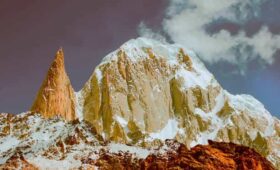
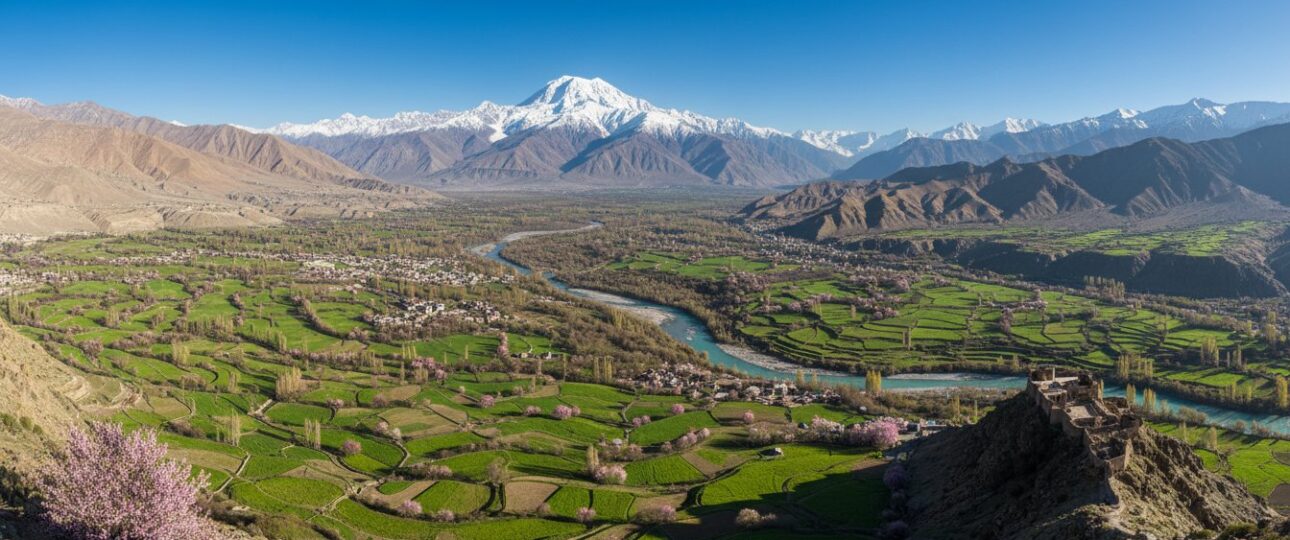
Imagine waking up to the sight of giants. The landscape here is dominated by some of the world’s most majestic peaks, including the 7,788-meter Rakaposhi and the jagged spires of Ultar Sar, which stand like silent guardians over the valley. This powerful backdrop creates a stunning contrast with the delicate beauty below: lush, terraced fields and fragrant apricot orchards that climb the hillsides. The glacial-fed Hunza River carves a turquoise ribbon through the valley floor, nourishing the land and adding to the serene atmosphere. The valley’s beauty is a moving picture that changes with the seasons:
- Spring: A vibrant explosion of pink and white as the apricot, cherry, and apple trees come into full bloom.
- Autumn: A fiery spectacle of gold, orange, and crimson foliage that sets the entire valley ablaze with color.
The Rich Culture and History
Hunza’s soul is as captivating as its scenery. Once an independent princely state and a crucial stop on the ancient Silk Road, the valley is steeped in a history that echoes through its ancient forts, Baltit and Altit. The local communities are a peaceful mosaic of cultures, speaking distinct languages like Burushaski, Wakhi, and Shina. This rich heritage, detailed on platforms like Wikipedia’s entry for the Hunza Valley, is alive and well. The Hunzai people are famed not only for their remarkable longevity but also for their progressive mindset, high literacy rate, and an open-hearted hospitality that is truly unforgettable. Their genuine smiles and welcoming nature make every visitor feel less like a tourist and more like an honored guest, completing the heavenly experience.
Planning Your Trip: Best Time to Visit & How to Get There
Timing is everything when planning your unforgettable journey to the majestic mountains of northern Pakistan. The season you choose and the way you travel will shape your entire adventure. With its growing global recognition, recently highlighted by the BBC as a top travel destination for 2025, planning ahead is more crucial than ever to experience the magic of the hunza valley gilgit baltistan region.
Choosing the Perfect Season for Your Visit
Each season in Hunza paints the valley in a different, breathtaking light. Your perfect time to visit depends entirely on the experience you seek:
- Spring (March – May): Witness a fairytale landscape as the valley erupts in a sea of white and pink from the world-famous apricot and cherry blossoms. The weather is crisp and perfect for sightseeing.
- Summer (June – August): This is the peak season for adventure! With pleasant, sunny weather, it’s the ideal time for trekking, exploring high-altitude lakes, and enjoying all the valley has to offer.
- Autumn (September – November): A photographer’s dream. The valley transforms into a canvas of fiery reds, vibrant oranges, and brilliant golds, creating some of the most spectacular fall scenery on earth.
- Winter (December – February): For those who love snow and solitude. The valley is blanketed in serene white, offering a peaceful escape. However, be prepared for road closures and freezing temperatures.
Your Travel Options: By Air and Road
Getting to Hunza is an adventure in itself. You have two primary options, each with its own unique appeal.
By Air: The fastest route is to fly from Islamabad to Gilgit Airport (GIL), the closest airport to Hunza. From Gilgit, it’s a scenic 2-3 hour drive. While this saves significant time, flights are highly dependent on weather and can be subject to delays or cancellations.
By Road: For the ultimate road trip, travel the legendary Karakoram Highway (KKH) from Islamabad. This iconic journey takes approximately 15-18 hours but rewards you with unparalleled views of towering peaks and deep valleys. Traveling in a comfortable, private hire vehicle is the safest and most enjoyable way to experience this route.
To ensure a seamless and stress-free trip, booking with a trusted local agency is highly recommended. We handle all the logistics-from choosing the right transport to navigating mountain roads and securing the best accommodations-so you can focus on making unforgettable memories in the Hunza Valley, Gilgit-Baltistan.
Must-See Attractions in Hunza: From Ancient Forts to Glacial Lakes
The Hunza Valley, Gilgit-Baltistan, is a treasure chest of natural and historical wonders, where every turn on the road reveals a new, breathtaking vista. To help you plan an unforgettable journey, we’ve curated the most iconic attractions, organized by region for a seamless and magical discovery.
Central Hunza: The Heart of the Valley
This region is the cultural and historical core of the hunza valley gilgit baltistan, home to ancient settlements and panoramic viewpoints that will leave you speechless.
- Karimabad: The vibrant capital of Hunza, where you can wander through the bustling bazaar, shop for local handicrafts like carpets and shawls, and taste delicious, sun-dried apricots.
- Baltit Fort: Standing guard over the valley for over 700 years, the majestic Baltit Fort is a stunning window into the region’s royal past. Its intricate Tibetan-style architecture is matched only by the sweeping views from its rooftop.
- Altit Fort: Perched dramatically on a sheer cliff, Altit Fort is considered the oldest monument in Gilgit-Baltistan. Explore its ancient, dimly lit rooms and find a moment of peace in the beautifully restored royal gardens.
- Eagle’s Nest (Duikar): For the most enchanting sunrise and sunset of your life, a trip to Eagle’s Nest is essential. Watch as the first and last light of day paints the snow-capped peaks of Rakaposhi, Diran, and Ladyfinger in hues of gold and pink.
Upper Hunza (Gojal Valley): A World of Its Own
As you travel north on the Karakoram Highway through the hunza valley gilgit baltistan, the landscape becomes even more dramatic and wild. This is a land of glacial lakes, thrilling bridges, and iconic peaks.
- Attabad Lake: Born from a massive landslide, this brilliant turquoise lake is a stunning example of nature’s power. A boat ride on its calm, icy waters, surrounded by towering mountains, is a surreal and serene experience.
- Hussaini Suspension Bridge: Ready for an adventure? Test your nerve on one of the world’s most famous rope bridges. This thrilling walk sways high above the Hunza River, offering incredible views of the Passu Cones.
- Passu Cones (Cathedral): These jagged, cathedral-like peaks are the defining landmark of Upper Hunza. The best photo spot is directly from the Karakoram Highway, where their majestic silhouette creates an unforgettable backdrop.
- Khunjerab Pass: Reach the “Top of the World” at the Pakistan-China border, the highest paved international crossing on Earth. Standing at over 4,600 meters, the crisp air and vast, high-altitude plateau offer a profound sense of achievement.

Beyond the Sights: Unforgettable Experiences in Hunza
While the panoramic views of Rakaposhi and the ancient forts are breathtaking, the true magic of Hunza lies in its experiences. To truly understand this mountain paradise, you must immerse yourself in its culture, taste its unique flavors, and walk its ancient paths. This is where a simple holiday transforms into an unforgettable journey of discovery. At iMusafir, we believe in crafting these deeper connections, turning your trip into a story you’ll tell for years to come.
Taste the Flavors of Hunza: A Foodie’s Guide
Hunza’s cuisine is a delightful reflection of its pure, organic landscape. Move beyond standard tourist fare and treat your palate to authentic local dishes. Seek out a comforting bowl of Gyal (pan-fried wheat cakes with local greens) or the rich, slow-cooked stew known as Harissa. Don’t leave without sampling the world-famous Hunza dried apricots, walnuts, and almonds. For a truly local experience, wander through Karimabad and find a small, family-run café to enjoy these flavors with a cup of fresh mint tea.
Adventure and Trekking Opportunities
The majestic landscape of Hunza Valley, Gilgit-Baltistan, is a playground for adventurers of all levels. For a rewarding and accessible hike, the walk up to Ondra Poygah in Gulmit offers spectacular views of the Passu Cones. For seasoned trekkers, challenging routes leading to high-altitude pastures and base camps await. Beyond hiking, you can experience the thrill of:
- Boating on the surreal turquoise waters of Attabad Lake.
- Walking on the ancient ice of the Passu or Batura Glaciers.
- Crossing the iconic Hussaini Suspension Bridge (for the brave!).
Connect with the Local Culture
The soul of Hunza is its warm, hospitable people. The best way to connect is by engaging with their daily life and traditions. Visit a local carpet weaving center to witness the incredible skill passed down through generations. Stroll through the bustling Karimabad bazaar, not just to shop for handicrafts but to chat with friendly shopkeepers. If your timing is right, you might even witness a vibrant local festival, a colorful explosion of music and dance. These simple interactions are the heart of an authentic travel experience. Let us craft an authentic Hunza experience for you.
Travel Tips for a Safe and Smooth Hunza Adventure
Your journey to the majestic mountains of Hunza should be filled with awe and wonder, not worry. With a little preparation, you can ensure a seamless and unforgettable experience. Here are our expert tips to help you navigate this breathtaking region with confidence and ease.
What to Pack and How to Prepare
The weather in the mountains can change in an instant, so smart packing is your best friend. The golden rule is to dress in layers. A typical day might involve a cool morning, a warm afternoon, and a chilly evening. Pack light jackets, fleeces, and thermal wear that you can easily add or remove.
- Essential Gear: Sturdy, comfortable walking shoes are non-negotiable. Also, pack high-SPF sunscreen, sunglasses, and a hat to protect against the strong mountain sun.
- Health Kit: Bring any personal medications you require, along with a basic first-aid kit containing pain relievers, bandages, and antiseptic wipes.
Staying Connected and Healthy
While you’ll want to disconnect and soak in the serenity, staying in touch is still possible. For the most reliable mobile coverage in Hunza Valley, Gilgit-Baltistan, we recommend getting a SCOM SIM card. Most hotels offer Wi-Fi, but connections can be slow-perfect for sending messages, but not for heavy streaming. On the health front, altitude sickness is a real concern. The key is to acclimatize slowly. Stay well-hydrated by drinking plenty of water and avoid strenuous activity on your first day.
Safety and Cultural Etiquette
One of the first things visitors notice is the incredible sense of security. Hunza is renowned for being one of the safest and most peaceful regions in Pakistan, with warm and welcoming locals. To show respect for their rich culture, we advise dressing modestly, particularly when visiting mosques or historical forts. Always ask for permission before taking photographs of people; a simple smile and gesture go a long way. Traveling with a local guide not only enhances your safety on treks but also provides invaluable insights into the traditions that make this place so special.
Planning is the final step to a truly hassle-free adventure. By taking care of these details beforehand, you’re free to immerse yourself in the magic of Hunza. For a journey where every detail is expertly handled, consider exploring our curated tour packages and let us turn your travel dreams into reality.
Your Unforgettable Hunza Journey Begins Now
From the majestic Rakaposhi peak piercing the sky to the timeless stories whispered within Baltit Fort, it’s clear why this region is called ‘Heaven on Earth.’ This guide has armed you with everything you need, from the best seasons to visit to the unforgettable cultural experiences that await. A trip to the breathtaking hunza valley gilgit baltistan is more than just a vacation; it’s an adventure that awakens the soul and creates memories that will last a lifetime.
Don’t let the planning hold you back from this magical escape. At iMusafir, we specialize in crafting seamless, stress-free journeys. With our expert local guides to unveil hidden gems, hassle-free tailored itineraries designed just for you, and an unwavering commitment to your safety and comfort, we ensure your focus remains purely on the discovery and wonder.
Ready for an unforgettable journey? Explore our Hunza Valley Tour Packages! Your adventure of a lifetime is waiting.
Frequently Asked Questions About Hunza Valley
Is Hunza Valley safe for tourists, especially for families and solo women?
Absolutely! Hunza is renowned for being one of the safest and most welcoming destinations in Pakistan. The local community is celebrated for its incredible hospitality and deep respect for all visitors. Families will discover a warm, friendly environment perfect for making memories, while solo female travelers consistently report feeling secure and comfortable. While standard travel precautions are always wise, you can expect a peaceful and stress-free journey surrounded by genuine warmth and breathtaking mountain scenery.
What kind of accommodation can I expect in Hunza Valley?
Hunza offers a wonderful variety of accommodations to suit every travel style and budget. You can indulge in luxurious hotels with majestic views of Rakaposhi and Passu Cones, or choose charming mid-range guesthouses run by welcoming local families. For a truly authentic experience, cozy homestays are also available. Whether you seek five-star comfort or a simple, clean room after a day of unforgettable adventure, Hunza provides the perfect place to rest and recharge.
Do I need a special permit to travel to Hunza Valley or Gilgit-Baltistan?
For most major tourist areas within the Hunza Valley, Gilgit-Baltistan region, Pakistani nationals do not require any special permits. International travelers must have a valid Pakistani visa. For certain restricted zones near international borders or for specific high-altitude treks, a No Objection Certificate (NOC) may be necessary. We recommend checking the latest government regulations before your trip or letting a trusted travel partner handle all the hassle-free arrangements for a seamless journey.
What is the best currency to carry, and are ATMs readily available?
The local currency is the Pakistani Rupee (PKR), and carrying a sufficient amount of cash is highly recommended. While major hotels may accept credit cards, smaller guesthouses, local cafes, and handicraft shops in the villages operate on a cash basis. ATMs are available in larger towns like Karimabad and Aliabad, but they can be unreliable. For a smooth trip, it is best to withdraw enough cash in a major city like Islamabad or Gilgit before heading deeper into the valley.
How many days are enough for a good Hunza Valley trip?
To truly soak in the magic and majesty of Hunza, we recommend a trip of at least 7 to 10 days. This duration allows you enough time to explore iconic sights like Karimabad, the historic Baltit and Altit Forts, the serene Attabad Lake, and the magnificent Passu Cones without feeling rushed. A longer itinerary gives you the flexibility to enjoy a day hike, immerse yourself in the local culture, and acclimatize properly, ensuring your adventure is both comfortable and unforgettable.
What is the high-altitude acclimatization process for Hunza?
Since most of Hunza Valley sits above 2,500 meters (8,200 feet), proper acclimatization is essential for a pleasant trip. The golden rule is to ascend slowly. Plan to spend your first one or two nights in a lower-altitude town like Karimabad before moving higher. It is crucial to stay well-hydrated by drinking plenty of water, avoid strenuous activity on your first day, and listen to your body’s signals. This gradual approach helps prevent altitude sickness and ensures you can fully enjoy your high-altitude adventure.