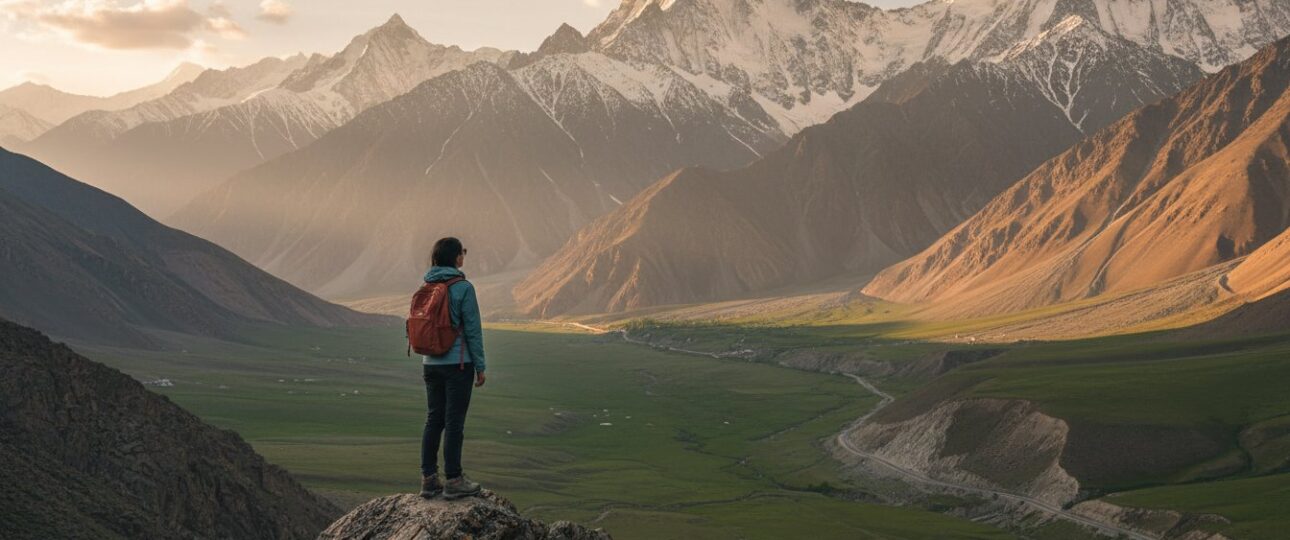
You’ve seen the awe-inspiring photos of majestic, snow-capped peaks in Hunza and heard whispers of the legendary hospitality found in Lahore’s vibrant, ancient streets. The pull of an authentic adventure is strong. Yet, conflicting headlines and outdated travel advisories can make planning a trip feel overwhelming, leaving you wondering: is Pakistan safe for tourists in 2026? Answering this crucial question requires a look beyond the noise. It demands an honest, on-the-ground perspective that balances the breathtaking rewards with the real-world risks.
That’s exactly why we created this guide. As passionate locals, we want to cut through the confusion and show you the real Pakistan. We’ll give you a realistic breakdown of the security situation, highlight the serene valleys and bustling cities that are perfect for tourism, and share practical tips for navigating cultural norms with confidence. Consider this your roadmap to planning a safe and truly unforgettable journey, armed with the knowledge to decide if this incredible destination is right for you.
The Big Picture: Pakistan’s Evolving Tourism Landscape for 2026
Let’s address the most important question on your mind: is Pakistan safe for tourists 2026? The answer, for the vast majority of travelers sticking to tourist destinations, is a resounding yes. For too long, outdated headlines have painted a picture that is vastly different from the on-the-ground reality experienced by thousands of visitors each year. The truth is a story of breathtaking landscapes, ancient cultures, and a nation that is eagerly and warmly opening its doors to the world.
Of course, like any destination on earth, smart and informed travel is key. Being aware of your surroundings and understanding local customs is as important in the valleys of Hunza as it is on the streets of Rome. The journey ahead is one of discovery, not of fear.
From Headlines to Hospitality: The Real Pakistan
The single most unforgettable aspect of a trip to Pakistan is its legendary hospitality. Far from the intimidating image sometimes portrayed, Pakistani people are incredibly welcoming, often going out of their way to help visitors. It’s common for locals to offer you tea, invite you for a meal, or simply ensure you’re safe and heading in the right direction. In popular tourist areas, petty crime against foreigners is remarkably low, largely because locals see visitors as honored guests and take pride in ensuring their safety.
What’s Changing by 2026? Key Developments
The positive shift isn’t just about perception; it’s backed by tangible progress. Pakistan’s tourism landscape is undergoing a rapid and exciting transformation, making travel more seamless and secure than ever before. As we look towards 2026, several key developments are making this beautiful country more accessible:
- Vastly Improved Infrastructure: The ongoing upgrades to major arteries like the Karakoram Highway have turned what was once a rugged expedition into a much safer and smoother scenic drive, cutting down travel times and increasing comfort.
- Growth in Quality Services: A new wave of boutique hotels, guesthouses, and certified, professional tour guides has emerged, especially in northern areas like Hunza, Skardu, and Swat, offering international standards of comfort and reliability.
- Enhanced Security Focus: The government has placed a strong emphasis on tourism, resulting in increased security and stability in all major tourist destinations, ensuring a peaceful and worry-free experience for your adventure.
A Region-by-Region Safety Guide for Your 2026 Itinerary
Pakistan is a country of immense scale and diversity, and its safety landscape is just as varied. To help you plan an unforgettable adventure with complete peace of mind, we’ve created a simple traffic light guide. This system clearly distinguishes between the breathtaking tourist destinations and the remote areas you won’t be visiting. The key takeaway? The well-trodden tourist circuits are not only majestic but are secure and have welcomed travelers for years.
Green Zones: Highly Recommended for All Tourists
These are the jewels in Pakistan’s crown, ready for you to explore without hesitation. They form the backbone of nearly every amazing journey through the country.
- The Northern Areas (Hunza, Skardu, Gilgit): Often called a ‘paradise on Earth,’ these regions are exceptionally safe. The local communities are famously hospitable, and the serene landscapes are a haven for adventurers, trekkers, and families.
- Major Cities (Islamabad & Lahore): Dive into the vibrant culture of Lahore’s ancient streets or enjoy the green, modern layout of Islamabad. These cities are bustling and safe; just apply the same common sense you would in any major global city.
- Swat Valley: A true success story, Swat has blossomed into the ‘Switzerland of Pakistan’ once more. It is a premier, secure, and stunningly beautiful destination for all types of travelers.
Amber Zones: Safe with a Guide or Local Knowledge
These destinations offer incredible experiences but benefit from a little extra planning. Traveling with a trusted guide or tour operator makes exploring them seamless and stress-free.
- Karachi & Other Southern Cities: As a sprawling megacity, Karachi is electric. It requires a higher level of awareness, similar to other huge urban centers worldwide. Stick to reputable neighborhoods and use trusted transport for a smooth journey.
- Kaghan Valley (Monsoon Season): The main concern here isn’t security but nature. Heavy rains can cause landslides, so it’s wise to check road conditions and travel with an experienced driver during this period.
Red Zones: Areas to Avoid
To fully answer the question, is pakistan safe for tourists 2026, it’s vital to provide context on the areas mentioned in official warnings. These regions are far from any tourist itinerary.
We strongly advise against all travel to the regions bordering Afghanistan and Iran, including much of Balochistan and specific districts of Khyber Pakhtunkhwa (KPK). These areas are often highlighted in official guidance, such as the detailed UK government travel advisory, due to security operations and their extreme remoteness. Crucially, no tour operator will ever include these locations in a travel plan. Your unforgettable Pakistani adventure will take place exclusively in the safe, welcoming, and breathtakingly beautiful Green and Amber zones.
Practical Safety Tips for a Hassle-Free Trip in Pakistan
Embarking on a journey to Pakistan is an exhilarating prospect, filled with breathtaking landscapes and warm hospitality. When potential travelers ask, is Pakistan safe for tourists 2026, our answer is a confident “yes”—especially with smart preparation. A little knowledge goes a long way in transforming a good trip into an unforgettable, stress-free adventure. Here’s how to navigate Pakistan with confidence and ease.
Health, Food, and Water Safety
Your well-being is paramount. To stay healthy, always stick to bottled or properly filtered water, and be cautious of ice in drinks. Don’t shy away from Pakistan’s vibrant street food scene! The key is to choose wisely: opt for vendors with long queues of locals and where food is cooked fresh in front of you. Before you travel, consult your doctor about recommended vaccinations and pack a basic first-aid kit with essentials like pain relief, antiseptic wipes, and medication for stomach upsets.
Getting Around Safely: Transport Tips
Navigating Pakistan’s diverse terrain is part of the discovery. In major cities like Lahore, Karachi, and Islamabad, ride-hailing apps like Uber and Careem offer a reliable and convenient way to get around. For longer journeys or exploring the majestic northern regions, hiring a private car with a local, experienced driver is highly recommended. While navigating the vibrant cities is part of the adventure, it’s wise to be aware of your surroundings; for a detailed overview of regional considerations, the U.S. State Department advisory offers specific guidance. On the winding mountain roads, always trust a professional driver and avoid traveling after dark.
Cultural Etiquette and Staying Respectful
Connecting with Pakistani culture is one of the most rewarding aspects of visiting. Showing respect for local customs will open doors to genuine interactions. Here are a few simple guidelines:
- Dress Modestly: Both men and women should opt for loose-fitting clothing that covers the shoulders and knees. Women will find a light scarf (dupatta) useful for covering their heads when visiting mosques.
- Ask Before You Photograph: Always ask for permission before taking pictures of people, particularly women and elderly individuals. A smile and a gesture are often all it takes.
- Embrace Local Greetings: A warm “Assalam-o-Alaikum” (peace be upon you) is a wonderful way to greet people and will almost always be met with a friendly smile.
By embracing these simple practices, you’ll not only stay safe but also experience the incredible warmth and hospitality that Pakistan is famous for.

Special Considerations for Solo, Female, and Family Travelers
Pakistan’s legendary hospitality extends to everyone, but different travelers naturally have unique questions. When people ask, “is Pakistan safe for tourists 2026,” they are often thinking about their specific circumstances. Whether you’re a solo adventurer, a woman exploring new horizons, or a family making unforgettable memories, a little preparation ensures your journey is both seamless and spectacular.
Guidance for Solo Female Travelers
Traveling as a woman in Pakistan can be an incredibly rewarding experience, marked by genuine warmth and respect. Pakistani culture is highly protective of women, and you’ll often find locals going out of their way to ensure your comfort. To blend in and navigate with confidence:
- Dress Modestly: Opt for loose-fitting clothing that covers your shoulders and knees. A beautiful local scarf, or dupatta, is a versatile accessory for covering your head when entering mosques or in more conservative areas.
- Use Female-Only Services: Many public transport options and public spaces have dedicated sections for women, offering an extra layer of comfort and privacy.
- Consider a Group: For remote treks or exploring bustling cities for the first time, joining one of our curated small group tours can provide instant camaraderie and security.
Tips for Families Traveling with Children
Pakistanis adore children, and you’ll find that traveling with your family opens doors to heartwarming interactions. The culture is incredibly family-centric, making it a surprisingly easy destination for little explorers. You’ll discover that restaurants are accommodating, and finding kid-friendly foods like grilled chicken, rice, and fresh bread (naan) is simple. For adventurous excursions like jeep safaris or treks in the northern areas, always partner with a reputable guide who prioritizes safety and can tailor the pace for your family.
Advice for Independent Solo Travelers
The spirit of solo adventure thrives in Pakistan’s majestic landscapes. To ensure your journey is hassle-free, having a local connection is key. Upon arrival, get a local SIM card for constant connectivity. For trekking in remote regions like Gilgit-Baltistan or navigating security checkpoints, hiring a licensed local guide is invaluable. They not only handle logistics and language barriers but also enrich your experience with deep cultural insights, transforming a great trip into an unforgettable discovery. This preparation is a key part of answering “is Pakistan safe for tourists 2026” with a confident yes for solo explorers.
Why a Guided Tour is the Safest Way to Explore Pakistan
After exploring the various safety measures and cultural nuances, you might be wondering how to put it all together for a truly stress-free journey. While independent travel is possible, the single best way to ensure your adventure is both breathtaking and secure is by exploring with a professional guide. It transforms the question from “is Pakistan safe for tourists 2026?” into a confident plan for an unforgettable experience.
A guided tour is more than just a pre-planned itinerary; it’s a promise of safety, authenticity, and seamless discovery, allowing you to see the true, hospitable heart of Pakistan without any of the logistical headaches.
Navigating with Local Expertise
Imagine arriving in the vibrant streets of Lahore or the serene valleys of Hunza without a single worry about logistics. That’s the power of local expertise. An experienced guide removes all the guesswork, letting you immerse yourself fully in the magic of the moment. Key advantages include:
- Seamless Logistics: From navigating winding mountain roads to securing the necessary permits for restricted areas, every detail is handled for you.
- No Language Barriers: Your guide acts as your personal translator and cultural interpreter, opening doors to genuine interactions with local communities you might otherwise miss.
- Vetted Partners: We only work with trusted drivers, reputable hotels, and experienced local contacts, ensuring your safety and comfort are always the top priority.
Peace of Mind and 24/7 Support
Beyond the practicalities, the greatest benefit of a guided tour is absolute peace of mind. Instead of spending your evenings planning the next day’s route or worrying about contingencies, you can simply relax and absorb the stunning landscapes around you. Knowing a dedicated team has your back 24/7 allows you to embrace the spirit of adventure without reservation.
Let our experts handle the planning so you can focus on making memories. For a journey that pairs thrilling discovery with complete security, explore our safe and unforgettable Pakistan Tour Packages. We’ve got you covered, ensuring that when people ask if Pakistan is safe for tourists in 2026, your answer will be a story of incredible hospitality and beauty.
The Verdict: Your Safe and Spectacular 2026 Pakistan Journey
As we’ve explored, the landscape of travel in Pakistan has transformed, offering more security and accessibility than ever before. While challenges remain, they are manageable with smart preparation and an understanding of regional dynamics. The key takeaway is that with the right approach, Pakistan is not just a destination you can visit, but one you can explore with confidence and wonder.
So, when considering the question, is pakistan safe for tourists 2026, the answer is a resounding yes—especially when you have an expert by your side. Navigating this majestic land becomes a seamless and enriching experience, allowing you to focus on the breathtaking beauty instead of the logistics.
Let us handle the details for your peace of mind. Our experienced local guides offer deep cultural knowledge, we provide 24/7 on-ground support, and we design customizable itineraries focused on the safest and most stunning regions. Plan your worry-free 2026 adventure with our expert-led Pakistan tours.
Your unforgettable journey into the heart of Pakistan’s legendary hospitality and epic landscapes awaits.
Frequently Asked Questions: Your Pakistan Travel Safety Guide
What do official government travel advisories really mean?
Government travel advisories provide a broad, cautious overview. They often use general language that may not reflect the peaceful reality in Pakistan’s most breathtaking tourist destinations like Hunza, Skardu, or the vibrant cities of Lahore and Islamabad. While it’s wise to be aware of them, remember they are not always a real-time picture. For anyone wondering ‘is pakistan safe for tourists 2026’, the on-the-ground experience in established tourism zones is overwhelmingly positive and secure.
Is it safe to travel to Pakistan as an American or Indian tourist?
Absolutely. Pakistan is famous for its legendary hospitality, and American tourists are consistently met with warmth, curiosity, and kindness from locals. Your journey will be filled with friendly encounters. For Indian tourists, the shared culture and history create a special connection. While the visa process requires diligence, the reception is incredibly welcoming, particularly at sites like the Kartarpur Corridor. The genuine friendliness of the people is a highlight for visitors from all nations.
How should I handle police or military checkpoints?
Think of checkpoints as a routine, reassuring part of your adventure, especially when traveling through the majestic northern regions. They exist to ensure everyone’s safety. Simply be polite and have your travel documents—like your passport, visa, and any necessary permits (NOCs)—ready to present. A friendly smile and cooperation make the process quick and seamless. Your guide will typically handle all the communication, making it a completely stress-free experience for you.
Is the food and water safe to consume for foreigners in Pakistan?
Pakistan’s culinary scene is an unforgettable adventure for your taste buds! To enjoy it safely, always drink sealed bottled water and avoid tap water or ice in your drinks. Eat at busy, reputable restaurants where food is cooked fresh. Don’t be shy about trying street food, but choose vendors that are popular with locals and prepare meals in front of you. This simple approach allows you to dive into the delicious local cuisine without any worries.
What is the best and safest time of year to visit Pakistan?
For the serene mountain landscapes of the north (like Hunza and Skardu), the spring (April-May) and autumn (September-October) are magical and exceptionally safe. You’ll witness either stunning cherry blossoms or breathtaking fall colors with clear skies. For exploring the rich culture of southern cities like Lahore and Karachi, the cooler, pleasant winter months from November to February are ideal. These periods offer the best weather and most reliable travel conditions for a perfect journey.
Can I use my credit card and are ATMs readily available?
In major cities like Islamabad, Lahore, and Karachi, your Visa or Mastercard will be widely accepted at larger hotels, upscale restaurants, and modern shopping malls. ATMs are also readily available in these urban centers. However, once you begin your journey into the more remote, scenic areas of the north, technology becomes scarce. It is essential to carry a sufficient amount of cash (Pakistani Rupees) for expenses like local food, souvenirs, and tips in these regions.
What are the local emergency numbers I should know?
Your safety is our top priority, and being prepared is always a good idea. While you are unlikely to need them, it’s wise to save these essential emergency numbers in your phone before you travel. For police assistance, dial 15. For an ambulance or medical emergency, the number is 115. For the fire brigade, dial 16. Having these on hand provides extra peace of mind as you embark on your unforgettable Pakistani adventure.