Thinking about a trip to Pakistan but held back by headlines and official warnings? You’re not alone. The question “Is Pakistan safe?” is one of the most common concerns for travelers, and the answer is often buried under layers of news reports and cautious government advice. This guide is here to give you a realistic, on-the-ground look at travel safety in Pakistan, moving beyond the headlines to help you plan an unforgettable and secure adventure.
The Short Answer: Is Pakistan Safe to Visit?
Yes, for tourists visiting the right places with proper planning, Pakistan is a safe and incredibly rewarding destination. While it’s wise to be aware of the country’s complexities, the reality for a traveler is vastly different from what you might see on the news. Millions of tourists, both local and international, visit Pakistan safely every year, and they are consistently blown away by the genuine warmth and hospitality of its people.
The key is to understand the distinction between media narratives, which often focus on conflict zones, and the on-the-ground reality in the country’s breathtaking tourist regions. This guide will provide a balanced view, helping you navigate the information and plan with confidence.
Understanding Travel Advisories: What They Really Mean
When you look up Pakistan, you’ll likely find stern travel advisories from governments in the US, UK, and Canada. It’s important to understand their purpose: they are designed to be extremely cautious and often apply a broad brushstroke to an entire country. These advisories must account for every possible risk, including in remote border regions where tourists would never venture. We’ll help you see past these warnings and focus on the areas that are peaceful, welcoming, and perfectly secure for travelers.
The Reality for Tourists in Popular Areas
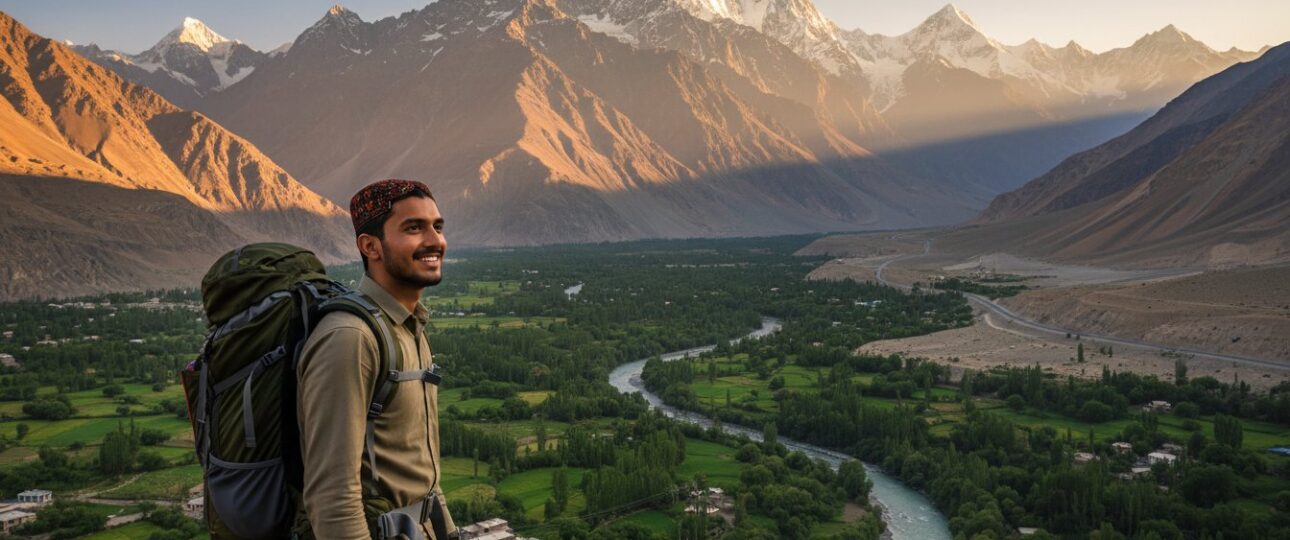
For the vast majority of visitors, the experience in Pakistan is overwhelmingly positive. The famed Northern Areas, including Hunza, Skardu, and Gilgit-Baltistan, are renowned for their safety and serene atmosphere. These regions are insulated from the issues reported elsewhere and thrive on tourism. Similarly, cultural hubs like Lahore and the capital, Islamabad, have well-established tourist infrastructures and are considered safe for exploration. The local culture is deeply rooted in hospitality, and foreign guests are often treated with immense respect and kindness.
A Realistic Look at Safety: Region by Region
Pakistan is a vast and diverse country, and like any large nation, safety conditions can vary significantly from one region to another. Thinking of the country in terms of “zones” can help clarify where you can travel with absolute peace of mind. Here’s a simple breakdown of where to go and what areas to avoid on your journey.
Green Zones: Widely Considered Safe for All Tourists
These are the crown jewels of Pakistan’s tourism industry, where you can travel freely and safely. They are welcoming, well-trafficked by tourists, and offer reliable infrastructure.
- Hunza, Skardu, Gilgit-Baltistan: This is the heart of tourism in Pakistan. Known for its majestic mountains and warm-hearted people, this region is exceptionally safe and a must-visit for any traveler.
- Swat Valley (Kalam, Malam Jabba): Often called the “Switzerland of Pakistan,” Swat has re-emerged as a peaceful and stunningly beautiful destination for families and adventurers alike.
- Lahore & Islamabad: These major cities are rich in history, food, and culture. They are accustomed to international visitors and offer a secure environment for exploring mosques, forts, and bustling markets.
These regions form the backbone of a fantastic Pakistani itinerary. Explore our safe and curated tours to the Northern Areas to experience the best of these green zones with complete peace of mind.
Yellow Zones: Areas to Visit with a Guide
These are regions that are generally safe but benefit from the expertise of a local guide who understands the nuances of the area.
- Karachi: As a vibrant and sprawling megacity, Karachi has a world of experiences to offer. However, due to its size and complexity, it’s best explored with a knowledgeable local guide who can navigate you to the city’s amazing sights safely.
- Areas around major cities: For day trips or excursions into more rural areas outside the main cities, having a guide is essential for smooth and secure travel.
Red Zones: Areas to Avoid (As per Official Advice)
These are regions that are consistently highlighted in travel advisories for valid security reasons. It’s important to note that these areas are not on tourist itineraries and are far from the places you would plan to visit.
- The border regions with Afghanistan and Iran.
- Most of Balochistan province.
- Newly merged districts of Khyber Pakhtunkhwa (formerly FATA).
Practical Safety Tips for a Worry-Free Trip
Following a few simple and universal safety precautions will help ensure your trip to Pakistan is as smooth and enjoyable as possible. For the most part, common sense is your most valuable tool while traveling.
General Safety and Awareness
- Always keep digital and physical copies of your important documents, like your passport and visa.
- Avoid walking alone in unfamiliar areas or poorly lit streets late at night, just as you would in any new city.
- Be mindful of your belongings, such as your wallet and phone, in crowded markets and public transport.
Cultural Etiquette and Dress Code
- Dressing modestly is a sign of respect for the local culture. This is especially important when visiting mosques and other religious sites.
- For both men and women, covering shoulders and knees is a good general guideline. Women may also find carrying a light scarf (dupatta) useful.
- Always ask for permission before taking photographs of people, particularly women.
Health and Food Safety
- To avoid any stomach issues, stick to bottled or properly filtered water. Avoid tap water.
- Eat at busy, reputable restaurants and street food stalls. A high turnover of customers usually means the food is fresh.
- It’s always a good idea to carry a small first-aid kit with essentials like pain relievers, bandages, and any personal medications.

Addressing Specific Concerns: Solo, Female, and Family Travel
Different travelers have different concerns, so let’s tackle some of the most common questions head-on. With the right information and preparation, Pakistan can be a fantastic destination for everyone.
Is Pakistan Safe for Solo Female Travelers?
Yes, many women travel solo in Pakistan and have incredible experiences, but preparation and cultural awareness are key. While street harassment is not widespread in tourist areas, it’s highly recommended to hire a trusted local guide or join a group tour. This not only enhances your safety but also enriches your experience. You’ll often find that the famous Pakistani hospitality means people, especially other women and families, will go out of their way to look out for you.
Traveling with Family and Children
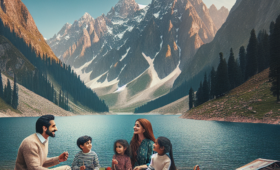
Pakistan is an exceptionally family-friendly country. The culture adores children, and you’ll find that your family is welcomed with open arms everywhere you go. The tourist areas in the north are perfect for family adventures, offering everything from gentle hikes to boat rides on serene lakes. Opting for a planned tour can make logistics seamless, handling all the transport and accommodation so you can focus on making memories with your loved ones.
Why Traveling with a Local Agency is the Smartest Choice
While independent travel is possible, partnering with a reputable local travel agency is undoubtedly the single best way to maximize your safety and enjoyment in Pakistan. It transforms your trip from a logistical challenge into a seamless, worry-free adventure.
Expert Navigation and Vetted Services
A local agency brings invaluable on-the-ground knowledge. We know the safest and most scenic routes, the most reliable hotels, and the best local restaurants. Our professional drivers are experts at navigating the famous mountain roads of the north, a skill that cannot be underestimated. By traveling with us, you completely avoid the risk of scams and the headaches of planning.
24/7 On-the-Ground Support
Perhaps the most significant benefit is having a dedicated local team available to you 24/7. If you encounter any issue, from a minor health concern to a lost item, you have an expert on hand to resolve it instantly. This peace of mind is the ultimate travel luxury, allowing you to fully immerse yourself in the experience. Let us handle all the details so you can focus on what truly matters: making unforgettable memories. See how our tailored Pakistan tours keep you safe and inspired.
FAQs About Safety in Pakistan
Is it safe for an American or European to travel to Pakistan?
Absolutely. Western tourists are generally welcomed with great warmth and curiosity. In tourist areas, you will be treated as an honored guest. Following local customs and dressing modestly will enhance this positive experience.
Do I need a security guard in Pakistan?
For a tourist visiting the main tourist destinations (the “Green Zones”), a security guard is not necessary. Traveling with a reputable tour company provides all the security and support you need through experienced guides and drivers.
What is the biggest safety concern for tourists in Pakistan?
For most tourists, the biggest practical safety concern is not crime or terrorism, but rather road safety, especially on the winding mountain roads in the north. This is why traveling with a skilled, professional driver is so important.
Is the food and water safe to consume in Pakistan?
Yes, provided you take standard precautions. Always drink bottled or filtered water. Eat at clean, popular establishments where food is cooked fresh. Pakistani cuisine is a highlight of any trip, so don’t be afraid to dive in wisely!
How should I dress as a female tourist in Pakistan?
Modesty is key. Loose-fitting clothing that covers your shoulders, arms, and legs is recommended. A shalwar kameez (a local tunic and trousers) is comfortable and culturally appropriate. Carrying a scarf is always a good idea for covering your head when entering mosques.
Can I travel to Pakistan independently without a tour?
Yes, it is possible, especially for experienced travelers. However, for a first-time visitor, a tour is highly recommended to handle logistics, ensure safety, and bridge any cultural or language gaps, making for a much more relaxed and enriching trip.
Are the northern areas like Hunza Valley actually safe?
Yes, unequivocally. The northern areas like Hunza, Skardu, and the surrounding Gilgit-Baltistan region are considered extremely safe and are the epicenter of tourism in Pakistan. They are geographically and culturally distinct from the areas mentioned in travel warnings.
So, is Pakistan safe? For the prepared and informed traveler, the answer is a resounding yes. It’s a country of unparalleled natural beauty and some of the most hospitable people on earth. By focusing on the right regions and partnering with local experts, you can unlock an adventure that is not only safe but truly life-changing. Ready to explore the beauty of Pakistan safely? Browse our tour packages!