Imagine towering peaks scraping the sky, ancient cultures thriving in emerald valleys, and hospitality that warms the soul. This is the reality of north pakistan, a world away from the headlines. But where do you even begin to plan such an epic journey? The sheer scale can feel overwhelming, and questions about safety, logistics, or choosing between the magic of Hunza and the rugged grandeur of Skardu can quickly turn excitement into confusion.
That’s where this guide comes in. Forget the stress and the guesswork. We’ve poured our local knowledge and passion into creating the ultimate resource for your unforgettable adventure. We’re here to turn your travel dreams into a seamless reality. In this comprehensive guide, you’ll discover the unique soul of each key destination, demystify the planning process from transport to accommodation, and find the confidence to embark on the journey of a lifetime. Your majestic mountain escape awaits.
Why North Pakistan Should Be Your Next Unforgettable Adventure
Imagine a place where fairy tales and reality collide, a land of colossal peaks, jewel-toned lakes, and legendary hospitality. This is north pakistan, one of the world’s last true hidden gems, offering an escape that promises not just a vacation, but a life-changing journey. It’s where raw, untamed nature meets the genuine warmth of ancient cultures, creating an experience that is both thrilling and deeply moving. Forget what you think you know; this majestic region is ready to turn your travel dreams into an unforgettable reality.
Where the Himalayas, Karakoram, and Hindu Kush Converge
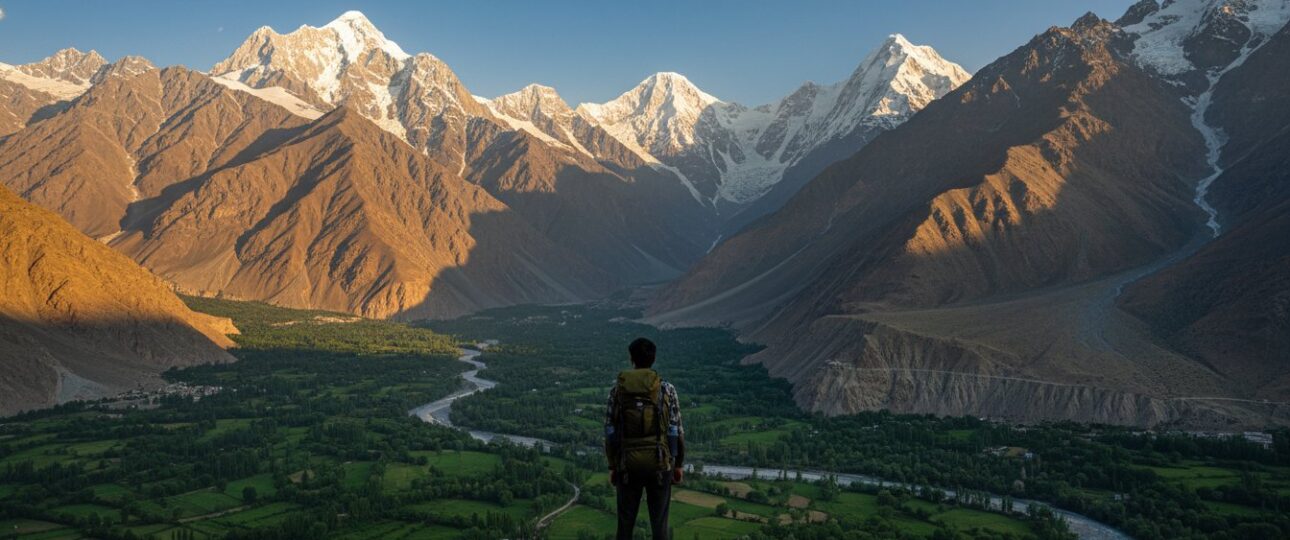
Nowhere else on Earth can you witness the staggering convergence of three of the world’s mightiest mountain ranges. This unique geographical junction, a defining feature of Northern Pakistan, creates a landscape of unparalleled scale and drama. Here, giants like K2 (8,611m), the world’s second-highest peak, and the formidable Nanga Parbat (8,126m) pierce the sky. The scenery is a breathtaking spectacle of jagged summits, vast ice-blue glaciers, and roaring rivers carving through deep valleys. It’s a powerful reminder of nature’s raw, majestic power.
A Tapestry of Ancient Cultures and Unmatched Hospitality
Beyond the epic landscapes, the true heart of north pakistan lies in its people. The region is a vibrant mosaic of cultures, home to diverse ethnic groups across Gilgit-Baltistan and Khyber Pakhtunkhwa who speak a multitude of languages. This cultural richness is showcased in historic sites like the 900-year-old Baltit Fort in Hunza. Yet, the most memorable souvenir you’ll take home is the experience of local hospitality-a genuine, open-hearted warmth that welcomes travelers not as tourists, but as honored guests in their homes.
Adventure for Every Type of Traveler
While the region is a mecca for elite mountaineers, you don’t need to be one to experience its magic. The adventure here is wonderfully diverse and accessible to all. Whether you’re a family, a couple, or a solo explorer, you’ll find your perfect journey:
- Thrilling Jeep Safaris: Navigate the legendary Karakoram Highway, one of the highest paved roads in the world.
- Scenic Drives & Short Hikes: Discover easily accessible viewpoints and take gentle walks to places like the serene Fairy Meadows.
- Cultural Immersion: Explore ancient villages, sip tea with locals, and immerse yourself in a timeless way of life.
- Relaxation & Serenity: Enjoy a peaceful boat ride on the stunning Attabad Lake or simply relax amidst the serene mountain scenery.
Discover the Crown Jewels: Key Regions of North Pakistan
Venturing into north pakistan is like stepping into a collection of epic landscapes, each with its own unique soul. From serene valleys to jagged peaks, the diversity is breathtaking. To help you choose your perfect adventure, we’ve curated a guide to the most enchanting regions, each offering a distinct and unforgettable journey. Whether you seek tranquility, high-altitude thrills, or a family-friendly escape, your dream destination awaits.
Hunza Valley: The Real-Life Shangri-La
Often described as heaven on earth, Hunza is famed for its majestic mountain scenery and the legendary longevity of its people. The valley is a masterpiece of nature, where ancient forts perch on cliffs and terraced fields cascade down to turquoise rivers. For a truly magical experience, visit during the spring when the valley is blanketed in a sea of pink and white apricot blossoms. Our curated Hunza tours ensure you witness all its iconic sights.
- Key Attractions: The historic Baltit and Altit Forts in Karimabad, the stunningly blue Attabad Lake, the dramatic Passu Cones (Cathedral), and the thrilling Hussaini Suspension Bridge.
Skardu: Gateway to the Land of Giants
For the true adventurer, Skardu is the ultimate basecamp. This is the starting point for expeditions to K2 and the Karakoram’s other colossal peaks. The landscape here is raw and dramatic, featuring a unique high-altitude cold desert, serene lakes, and vast plains. It’s a haven for trekkers, mountaineers, and anyone looking to be humbled by the sheer scale of nature. Let us handle the logistics with a hassle-free Skardu adventure package.
- Key Attractions: The iconic Shangrila Resort, the pristine Satpara and Kachura Lakes, and the otherworldly Deosai National Park, also known as the “Land of the Giants.”
Swat Valley: The Lush Green Paradise
Known as the ‘Switzerland of Pakistan,’ Swat Valley enchants visitors with its lush green meadows, dense alpine forests, and crystal-clear rivers. It offers a softer, more verdant beauty compared to the ruggedness of Gilgit-Baltistan. While it has faced challenges in the past, today it’s a peaceful and welcoming destination for all. For the most current information, travelers can always consult official resources like the UK government travel advice before their trip. The valley is also rich in history, dotted with ancient Buddhist stupas and monasteries.
- Key Attractions: The ski slopes of Malam Jabba, the breathtaking beauty of Kalam Valley, and the serene Mahodand Lake.
Naran & Kaghan Valley: An Accessible Alpine Escape
If you’re looking for a stunning mountain getaway without the long journey, the twin valleys of Naran and Kaghan are your answer. As one of the most popular destinations in north pakistan, it’s perfectly suited for family vacations and weekend trips from Islamabad. The scenic drive along the Kunhar River, culminating at the magnificent Babusar Top, is an adventure in itself. Its accessibility and well-developed infrastructure make it an easy and delightful choice for a summer retreat.
- Key Attractions: The legendary, emerald-green Lake Saif-ul-Malook, the picturesque Lulusar Lake, and the panoramic views from Babusar Top.
Planning Your Trip: Best Time to Visit & How to Travel
Embarking on an adventure to north pakistan is an unforgettable experience, and a little planning goes a long way. Answering a few key questions about when to go, how to get there, and what to pack will ensure your journey is as seamless as it is spectacular. Here’s everything you need to know to prepare for the trip of a lifetime.
Choosing the Perfect Season for Your Visit
Each season paints the northern landscapes in a different, breathtaking light. The best time for your visit truly depends on the experience you’re seeking.
- Summer (June – August): This is the peak season for a reason. With warm, pleasant weather and lush green valleys, it’s the perfect time for trekking, boating on Attabad Lake, and accessing high-altitude passes. Expect vibrant local life and the most reliable road conditions.
- Autumn (September – October): Often called the “golden season,” autumn is famous for its spectacular fall colors. The valleys of Hunza and Skardu are set ablaze with hues of gold, orange, and red, offering a photographer’s paradise with fewer crowds.
- Spring (March – May): Witness the region burst back to life as snow melts and fruit trees blossom. The “cherry blossom season” in Hunza is particularly magical, creating a serene and picturesque landscape.
- Winter (November – February): For the truly adventurous, winter offers a stark, majestic beauty. The snow-covered peaks and frozen lakes create a serene wonderland, though travel can be challenging and is best suited for well-prepared explorers.
Getting There: By Air and the Legendary Karakoram Highway
Your journey to the mountains is an adventure in itself. For speed and convenience, daily flights operate from Islamabad to Gilgit and Skardu, placing you right in the heart of the mountains. However, for a truly iconic experience, nothing compares to the road trip along the Karakoram Highway (KKH). This legendary route is one of the world’s highest paved roads, offering jaw-dropping views at every turn and a deep connection to the landscape. It’s no wonder this region is consistently named among the world’s top adventure travel destinations. For maximum flexibility and safety, hiring a private car with an experienced local driver is highly recommended.
What to Pack for the Mountains
The weather in the mountains can change in an instant, so smart packing is essential. Layering is your best strategy to stay comfortable.
- Layered Clothing: Pack thermal base layers, t-shirts, a warm fleece, and a waterproof/windproof outer jacket.
- Footwear: Sturdy, comfortable walking shoes or hiking boots with good grip are non-negotiable.
- Sun Protection: The sun is strong at high altitudes. Bring high-SPF sunscreen, sunglasses, and a wide-brimmed hat.
- Essentials: A portable power bank for your devices, any personal medications, and a small first-aid kit are must-haves.
Feeling overwhelmed by the details? Planning a trip to this majestic region doesn’t have to be stressful. Let our experts plan a seamless trip for you!

Safety and Responsible Travel in North Pakistan
Embarking on an adventure to the majestic mountains of north pakistan is an unforgettable experience. We understand that for many international travelers, safety is a primary concern. Let us put your mind at ease. With a little preparation and local knowledge, your journey can be as smooth and secure as it is spectacular.
Is North Pakistan Safe for Tourists in 2025?
Let’s address this directly: yes, the main tourist destinations like Hunza, Skardu, Swat, and Chitral are safe and incredibly welcoming to travelers. The reality on the ground is a world away from outdated media headlines. You’ll be greeted with genuine warmth and legendary Pakistani hospitality. For ultimate peace of mind, traveling with a reputable local agency like iMusafir ensures you have expert guidance, secure transport, and vetted accommodations every step of the way.
Tips for a Smooth and Hassle-Free Journey
A little local know-how goes a long way in ensuring your trip is seamless. Keep these practical tips in mind:
- Carry Cash: While larger hotels may accept cards, ATMs are often scarce and unreliable in remote valleys. It’s wise to carry a sufficient amount of Pakistani Rupees (PKR) for local cafes, handicrafts, and tips.
- Stay Connected: For the best mobile coverage in Gilgit-Baltistan, get a local SCOM SIM card upon arrival. It offers far better connectivity in mountainous terrain than other national providers.
- Respect Local Customs: Dress modestly, especially when visiting villages and religious sites. For women, loose-fitting clothes and carrying a light scarf (dupatta) is a sign of respect and will help you blend in comfortably.
How to Be a Responsible Traveler
The pristine beauty of this region is a shared treasure. By traveling responsibly, you help preserve its natural and cultural heritage for generations to come. Here’s how you can make a positive impact:
- Support Local Communities: Purchase authentic handicrafts directly from artisans, eat at family-run dhabas, and hire local guides. Your spending directly benefits the local economy.
- Leave No Trace: The mountains are sacred. Carry all your litter back with you, avoid single-use plastics where possible, and stick to marked trails to prevent erosion.
- Ask Before You Click: Always ask for permission before taking photographs of people, particularly women and elders. A friendly smile and a simple gesture are all it takes.
By embracing these simple practices, you not only ensure your own safety but also contribute positively to the communities you visit. Planning your adventure with a trusted partner ensures all these details are handled, letting you focus on the breathtaking views. Explore our curated tours of North Pakistan to see how we make travel seamless and unforgettable.
Your Unforgettable Adventure Awaits
From the towering, snow-capped peaks of the Karakoram to the serene, turquoise lakes of its hidden valleys, this region is more than a destination-it’s an experience that captivates the soul. This guide has shown that with a bit of planning, the majestic landscapes and legendary hospitality of north pakistan are not just a dream, but an accessible and safe adventure waiting to happen.
Why navigate the journey alone? At iMusafir, we believe in turning travel dreams into seamless realities. Our passionate local guides craft tailored, hassle-free itineraries that let you immerse yourself in the magic. With transparent pricing-no hidden fees, ever-and the trust of hundreds of fellow travelers, we handle every detail so you can focus on making unforgettable memories.
Ready to answer the call of the mountains? Explore our North Pakistan Tour Packages today! Your journey of a lifetime is just a click away.
Frequently Asked Questions About Travel in North Pakistan
How many days are enough for a trip to North Pakistan?
To truly immerse yourself in the breathtaking landscapes, we recommend at least 7 to 10 days. This allows for an unforgettable journey through a single region like the Hunza Valley or Skardu without feeling rushed. For a more comprehensive adventure covering multiple valleys and some light trekking, a 14 to 21-day trip is ideal. This gives you ample time to acclimatize, explore hidden gems, and soak in the serene mountain culture at a relaxed pace.
Do I need a special permit or NOC to visit the northern areas?
For most popular tourist destinations like Hunza, Skardu, and Swat, foreign travelers do not need a special permit or a No-Objection Certificate (NOC). Your valid Pakistani visa is sufficient. However, for trekking in certain restricted zones or areas near international borders, a permit is required. The great news is that when you book with a registered tour operator, we handle all the necessary paperwork, ensuring your journey is completely seamless and stress-free.
What is the mobile network and internet connectivity like in the mountains?
In major towns like Gilgit, Skardu, and Karimabad (Hunza), you’ll find decent mobile and internet connectivity. SCOM (Special Communications Organization) is the most reliable network provider in the region. While 4G is available in urban hubs, connectivity can become patchy or non-existent as you venture into remote valleys or high-altitude treks. Most hotels offer Wi-Fi, but it’s best to consider it a bonus rather than a guarantee. Embrace the digital detox!
Is it expensive to travel in North Pakistan? What’s a realistic budget?
Traveling in north pakistan can be surprisingly affordable. A realistic budget for a mid-range traveler is typically between $50 to $80 per day. This would cover comfortable guesthouse accommodation, local meals, and transportation via shared jeeps or a private car with a driver. For a more luxurious experience with high-end hotels and private transport, a budget of $100 to $150+ per day is more appropriate. Planning ahead and traveling in a group can also lead to significant savings.
Can women travel solo in North Pakistan, and what should they expect?
Absolutely! Solo female travel in the northern areas is becoming increasingly common and is generally safe, thanks to the legendary local hospitality. People are welcoming and respectful. To ensure a comfortable experience, we recommend dressing modestly-a loose-fitting shalwar kameez and a dupatta (headscarf) are perfect. Hiring a trusted local guide or driver can enhance both your safety and your cultural immersion, making your solo adventure a truly unforgettable and empowering journey.
What kind of food can I expect in North Pakistan?
Prepare for a delicious culinary adventure! While you can find standard Pakistani dishes like chicken karahi and biryani, the real treat is the unique local cuisine of Gilgit-Baltistan. Don’t miss out on specialties like Chapshuro (a meat-filled flatbread), Mamtu (steamed dumplings), and hearty Dowdo soup. The region is also famous for its incredible organic fruits, especially apricots, cherries, and mulberries in the summer. It’s a vibrant and flavorful part of the mountain experience.