Planning Your First Trip to Pakistan: The Ultimate 2025 Guide
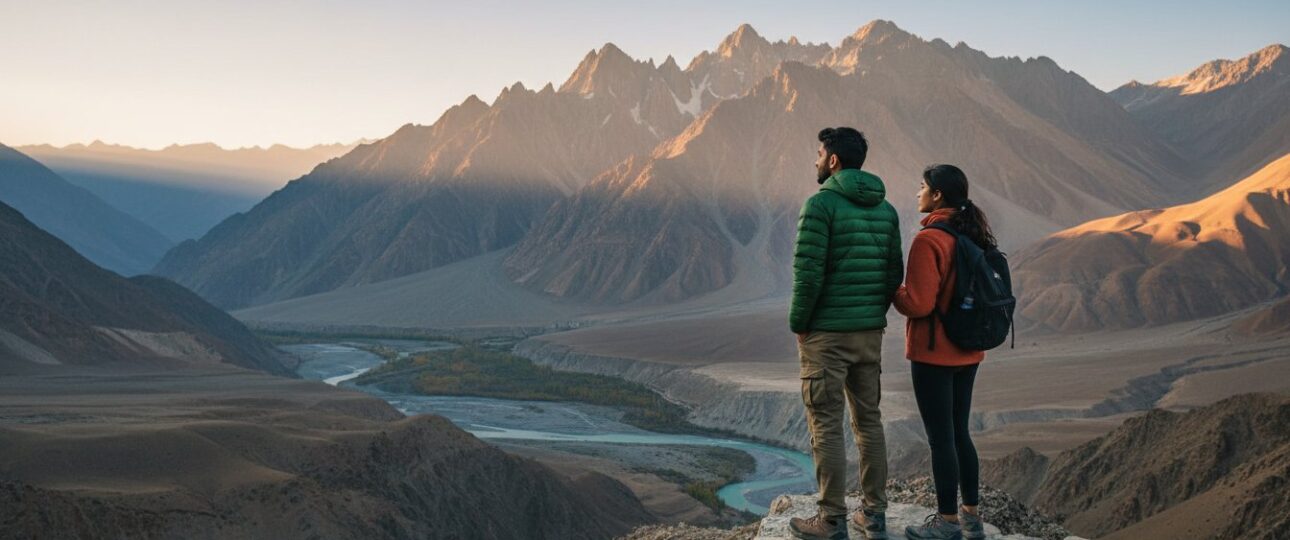
Imagine standing beneath the majestic peaks of Hunza, wandering through the vibrant bazaars of Lahore, and experiencing the legendary warmth of Pakistani hospitality. For many, this dream feels just out of reach, clouded by questions about safety, visas, and where to even begin. We believe that planning your first trip to pakistan should be an exciting part of the adventure, not a source of stress. It’s time to move beyond the headlines and discover the breathtaking reality of this incredible country, a land of serene landscapes and unforgettable encounters.
That’s exactly why we’ve created your ultimate 2025 guide. Forget the overwhelm and confusion. Inside, you’ll find a clear, step-by-step plan that makes everything simple and stress-free. From securing your visa and crafting the perfect itinerary to understanding cultural tips and traveling with confidence, we’re here to turn your travel dreams into a hassle-free reality. Get ready for a seamless journey-your unforgettable adventure in Pakistan starts right here.
Before You Go: Essential Pre-Trip Planning for Pakistan
An adventure to Pakistan begins long before you board the plane; it starts with the dream. Are you envisioning a journey filled with high-altitude trekking to majestic peaks, a deep dive into the vibrant culture of ancient cities, or a serene escape to breathtaking valleys? Defining your travel style is the first step toward a truly unforgettable experience. Proper planning is the key that unlocks a seamless and stress-free journey, transforming your dream trip to Pakistan into a breathtaking reality. The successful planning of your journey is crucial, especially as interest in Tourism in Pakistan continues to grow, attracting travelers from all over the world. This section will guide you through the foundational steps and answer the most common questions first-time visitors have.
Pakistan Visa Requirements Made Easy
Navigating visa paperwork can feel daunting, but Pakistan has made it a hassle-free process for most travelers. The country has a streamlined online e-visa portal for tourists from many nations. To ensure a smooth application, have these documents ready:
- A passport valid for at least six months
- A recent passport-sized digital photograph
- Proof of a hotel booking or a Letter of Invitation (LOI)
Pro Tip: Partnering with a registered tour company like ours is the easiest way to get the required Letter of Invitation, making your application process seamless.
The Best Time to Visit Pakistan
Pakistan is a country of four distinct and beautiful seasons, each offering a unique experience. Spring (March-May) is when the northern valleys are covered in carpets of wildflowers. Summer (June-August) is the peak season for trekking and exploring the high-altitude wonders of Gilgit-Baltistan. Autumn (September-November) sets the Hunza Valley ablaze with fiery foliage, offering stunning landscapes and pleasant weather. For snow lovers, winter (December-February) transforms the north into a winter wonderland and is also the perfect time to explore the milder temperatures and rich heritage sites of the south.
A Realistic Look at Safety
It’s time to look beyond the headlines. While it’s wise to be cautious anywhere you travel, the reality on the ground in Pakistan’s tourist areas is one of overwhelming warmth and legendary hospitality. Well-trodden regions like Hunza, Skardu, Islamabad, and Lahore are considered very safe for travelers. Hiring a local guide not only enhances your safety but also provides invaluable cultural insights. As always, practice common sense: stay aware of your surroundings, use reputable transportation services, and trust your instincts. Your incredible trip to Pakistan awaits, filled with genuine connection and discovery.
Crafting Your Perfect Pakistan Itinerary: Top Destinations for First-Timers
Pakistan’s sheer diversity is its greatest treasure, offering everything from the sky-piercing peaks of the Karakoram to the vibrant, story-filled streets of ancient Mughal cities. To truly savor the experience, the key to your first trip to pakistan is focus. Instead of rushing, we recommend dedicating your journey to one or two regions. Our 7 to 14-day itineraries are designed to give you an unforgettable taste of the country’s breathtaking beauty and rich culture.
The Majestic North: Hunza, Skardu & Gilgit-Baltistan
This is where postcards come to life. The North is Pakistan’s crown jewel, drawing travelers with its majestic mountains and serene valleys. It’s an adventure that promises awe at every turn. While these areas are overwhelmingly welcoming to tourists, it’s always wise for travelers to review the current U.S. travel advisory for Pakistan for the most up-to-date regional information.
- Hunza Valley: Famous for the crystal-clear Attabad Lake, the ancient Baltit Fort, and enchanting apricot blossoms in spring.
- Skardu: The gateway to K2, this region is home to the high-altitude Deosai Plains and the tranquil Upper and Lower Kachura Lakes.
Best for: Mountain lovers, photographers, and adventure seekers ready for an epic journey.
Cultural Capitals: Lahore, Islamabad & Karachi
For those who thrive on history, flavor, and energy, Pakistan’s cities offer a deep cultural immersion. Each capital has a distinct personality, showcasing the nation’s dynamic urban soul.
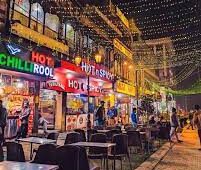
- Lahore: The heart of Mughal history, where you can explore the grand Badshahi Mosque and get lost in the aromatic food streets of the Walled City.
- Islamabad: A modern, green, and meticulously planned capital nestled against the Margalla Hills, offering a peaceful and organized contrast.
- Karachi: A bustling coastal metropolis where colonial-era architecture meets modern commerce and seaside relaxation.
Best for: History buffs, passionate foodies, and travelers seeking vibrant urban experiences.
Putting It Together: Sample Itineraries
Feeling inspired? Here are a few ideas to get you started on planning your dream trip to pakistan. These routes balance travel time with discovery, ensuring a seamless and memorable adventure.
- 7-Day Northern Pakistan Highlights: A whirlwind tour from Islamabad up the Karakoram Highway to the stunning Hunza Valley.
- 10-Day Culture & Mountains: Begin with the historical wonders of Lahore, move to modern Islamabad, and end in the lush, green landscapes of Swat Valley.
- 14-Day Ultimate Pakistan Tour: Combine the best of both worlds! Immerse yourself in Lahore’s culture before flying north for a deep dive into the majestic valleys of Gilgit-Baltistan.
Let us handle the details so you can focus on the discovery. See our expertly crafted tour packages for more inspiration and hassle-free options.
Getting Around Pakistan: Your Transportation Options
Pakistan is a land of majestic mountains and vibrant cities, spread across vast distances. Planning how you’ll navigate this incredible landscape is a vital step in crafting your perfect trip to Pakistan. The right choice depends on your travel style, balancing your budget, desire for comfort, and your dream itinerary. Whether you’re soaring over peaks or winding through breathtaking mountain passes, each journey is an unforgettable part of the adventure.
Domestic Flights: Connecting Major Hubs
To cover long distances quickly, domestic flights are a fantastic option. Key routes connect major cities, like Karachi to Lahore, or provide a stunning shortcut into the mountains from Islamabad to Skardu or Gilgit. Pakistan International Airlines (PIA) is the primary carrier for these scenic routes.
- Pros: Dramatically cuts down travel time, turning a 20-hour drive into a spectacular 1-hour flight.
- Cons: Flights to the Northern Areas are highly weather-dependent and can be prone to cancellations, so it’s wise to build flexibility into your schedule.
Private Car with Driver: The Gold Standard
For most international visitors, hiring a private car with a local driver is the most comfortable, flexible, and secure way to explore. It’s the standard for our tour packages because it offers a completely stress-free experience. Your driver doubles as a knowledgeable guide, navigating roads with expertise and knowing the best hidden spots for a photo or a warm cup of chai. This option allows you to travel at your own pace and create a truly personalized journey. Expect to budget approximately $80 to $120 per day, which typically covers the vehicle, driver, and fuel.
Public Transport: For the Adventurous Budget Traveler
If you’re an experienced traveler on a tight budget, Pakistan’s public transport network offers an authentic glimpse into local life. Comfortable, air-conditioned bus services like Daewoo Express connect major southern cities efficiently. For the legendary Karakoram Highway and other routes in the Northern Areas, NATCO is the main bus service. While trains are available in the south, they are less common for typical tourist itineraries. Navigating these systems can be an adventure in itself, and trusted resources like the Lonely Planet’s Pakistan travel guide can be invaluable for planning routes and schedules. This mode of travel is rewarding but requires more patience and flexibility.

Culture & Etiquette: A Friendly Guide for Visitors
Beyond the majestic mountains and vibrant cities, the heart of Pakistan lies in its people. Pakistani culture is defined by its incredible warmth, deep-rooted family values, and legendary hospitality, known as mehman nawazi. Understanding a few local customs will not only show respect but also unlock deeper connections, making your trip to pakistan a truly unforgettable adventure. Here’s a friendly guide to help you navigate social settings with confidence and grace.
Dress Code: What to Wear in Pakistan
Dressing modestly is the key to feeling comfortable and showing respect. The general guideline for both men and women is to cover shoulders and knees, especially when outside of major cities or visiting religious sites.
- For Women: The local shalwar kameez (a long tunic paired with loose trousers) is perfect, comfortable, and widely available. Alternatively, loose-fitting trousers or long skirts with a long-sleeved top work well. Always carry a light scarf or dupatta, as it is essential for covering your head when entering mosques.
- For Men: Trousers are standard. Long shorts (covering the knee) are generally acceptable in cosmopolitan areas like Lahore or Karachi, but trousers are a safer bet. Avoid sleeveless shirts or tank tops.
Greetings and Communication
Pakistanis are incredibly welcoming and appreciate visitors who engage with them. English is widely understood in urban centers and tourist areas, but a few local phrases go a long way.
- The Greeting: The universal Islamic greeting is “Assalam-o-Alaikum” (Peace be upon you), with the reply being “Wa-Alaikum-Assalam” (And upon you, peace). A simple hello and a smile also work wonders!
- Personal Space: Handshakes are common between men. When greeting women, it’s best to wait for them to initiate a handshake; a polite nod and smile is a respectful alternative.
- Photography: Always ask for permission before taking a photo of someone, particularly women and elders.
Food and Dining Etiquette
Sharing a meal is a cornerstone of Pakistani culture. If you are invited for tea or food, accepting is a gracious gesture. Remember to use your right hand for eating, passing dishes, and handling money. Don’t leave without trying local specialties like biryani, karahi, and a steaming cup of chai. While tipping isn’t always mandatory, a 10% tip is appreciated for good service in restaurants.
Embracing these customs will enrich your trip to pakistan, turning simple interactions into cherished memories. Ready to experience this incredible hospitality firsthand? Explore our curated domestic tours and let us plan your perfect journey.
Budgeting, Currency, and Connectivity on Your Trip
One of the most pleasant surprises for travelers is how affordable a trip to Pakistan can be. With a little planning for your finances and connectivity, you can ensure a smooth and unforgettable adventure. Your budget will ultimately depend on your personal travel style, from a rugged backpacking journey to a luxurious, all-inclusive escape.
Currency and Money Matters
Pakistan’s official currency is the Pakistani Rupee (PKR). While major hotels and high-end restaurants in cities like Lahore and Islamabad accept credit cards, cash is definitely king for most daily transactions. We recommend carrying enough cash for street food, local bazaars, and transport, especially when venturing into smaller towns. ATMs are readily available in all major urban centers, but it’s a wise move to inform your bank of your travel dates beforehand to ensure seamless access to your funds.
Typical Daily Budgets
To help you plan, here are some estimated daily budgets. Remember, these can vary based on your activities and spending habits:
- Budget Traveler: $30 – $50 per day. This covers stays in hostels, meals at local dhabas (roadside restaurants), and using public transport.
- Mid-Range Traveler: $80 – $150 per day. Expect comfortable guesthouses, a mix of local and restaurant dining, and hiring a private car for some excursions.
- Luxury Traveler: $200+ per day. This allows for stays in premium hotels, fine dining, and private guided tours.
For a stress-free experience with clear, upfront costs, consider one of our curated domestic tour packages, which handle all the logistics for you.
Staying Connected: SIM Cards and Wi-Fi
Staying connected during your trip to Pakistan is simple and affordable. Upon arrival at the airport, you can easily purchase a local SIM card. Top providers like Zong, Jazz, and Telenor offer excellent packages with generous data. If you’re heading north, ask which provider has the best coverage for mountainous regions like Hunza or Skardu. While Wi-Fi is common in urban hotels and cafes, it can be slow. Be prepared for limited to no signal in remote valleys-a perfect excuse to disconnect and soak in the majestic scenery!
Your Unforgettable Pakistan Adventure Awaits
Pakistan is a land of breathtaking diversity, where the majestic peaks of the Karakoram meet the vibrant cultural hubs of Lahore and Karachi. As this guide has shown, a little thoughtful planning around visas, cultural etiquette, and transportation is the key to an incredible trip to pakistan. But the true magic, the memory that will last a lifetime, lies in the genuine warmth and hospitality you’ll encounter at every turn.
Feeling inspired but overwhelmed by the details? That’s where we come in. Let us handle the logistics so you can focus on the adventure. At iMusafir, we are more than just planners; we are passionate local experts with deep on-the-ground knowledge. Trusted by hundreds of happy travelers, we specialize in creating fully customizable itineraries that turn your travel dreams into a seamless reality. Let us plan your hassle-free trip! Explore our Pakistan Tour Packages.
The mountains are calling, the cities are buzzing, and an adventure of a lifetime awaits. We can’t wait to welcome you!
Frequently Asked Questions About Your Trip to Pakistan
Is it safe for a solo female traveler to visit Pakistan?
Absolutely! Many solo female travelers have an incredible and safe experience discovering Pakistan. The key is being mindful of local customs. We recommend dressing modestly (loose-fitting clothes and carrying a scarf) to respect cultural norms and blend in comfortably. Sticking to well-trodden tourist paths in cities like Lahore and the majestic northern areas like Hunza is a great strategy. For a completely stress-free journey, hiring a vetted local guide can help you navigate your adventure with confidence and ease.
What is the food like, and is it safe to eat street food?
Pakistani cuisine is a vibrant explosion of flavor! Prepare your taste buds for rich curries, aromatic biryanis, and succulent kebabs. Street food is an essential part of the cultural experience and can be perfectly safe. The golden rule is to eat where the locals do-look for busy stalls with high turnover, ensuring the food is fresh. Popular choices like freshly made parathas, samosas, and chaat from a clean, bustling vendor offer a delicious and authentic taste of Pakistan.
Do I need any specific vaccinations before my trip to Pakistan?
It’s always best to consult your doctor or a travel clinic 4-6 weeks before your departure for personalized medical advice. While there are no mandatory vaccinations for entry, it’s wise to ensure your routine immunizations (like Tetanus and MMR) are up to date. Healthcare professionals often recommend vaccinations for Hepatitis A and Typhoid due to food and water standards. Proper preparation ensures your unforgettable trip to Pakistan is a healthy and happy one from start to finish.
What languages are spoken in Pakistan? Will I get by with English?
Pakistan is a rich tapestry of languages, with Urdu being the national language and many regional ones like Punjabi and Pashto widely spoken. However, you’ll find that English is very common, especially in major cities, hotels, restaurants, and among the younger generation. You can comfortably navigate your travels with English. Learning a few pleasantries in Urdu, such as “Salaam” (Hello) and “Shukriya” (Thank you), is a wonderful way to connect with the genuine warmth of the local people.
How does tipping work in restaurants and for guides in Pakistan?
While tipping isn’t mandatory in Pakistan, it is a customary way to show appreciation for excellent service and is always gratefully received. In mid-range to high-end restaurants, a tip of around 10% of the bill is considered generous. For your dedicated guides and drivers who make your journey seamless, a good guideline is to tip around $10-$15 USD per day for a guide and $5-$10 USD per day for a driver, depending on the quality of their service.
Can I use my credit card in Pakistan, or should I bring cash?
A combination of both is the perfect strategy. Major credit cards like Visa and Mastercard are widely accepted in larger hotels, upscale restaurants, and modern shopping malls in cities such as Islamabad and Lahore. However, for the vibrant local markets, smaller eateries, and transport, cash is king. We recommend carrying a sufficient amount of Pakistani Rupees (PKR) for daily expenses, especially when venturing into more remote or rural destinations for that authentic experience.
What are the photography rules, especially at sensitive locations?
Capturing the breathtaking beauty of Pakistan is a highlight for any traveler! The most important rule is to be respectful. Always ask for permission before taking photos of people, particularly women and elders. Photography is strictly prohibited at sensitive locations like military checkpoints, airports, and key government buildings-these areas are usually clearly marked. When visiting mosques and other religious sites, be mindful and discreet to honor the sanctity of the space, ensuring your memories are captured with respect.