Have you heard the enchanting whispers of a lost European tribe, a community of fair-skinned people living in the remote mountains of Pakistan? While the myths are compelling, the true story of the Kalash people is even more captivating-and for many curious travelers, reliable information can be hard to find. Tucked away in the majestic Hindu Kush, this indigenous community preserves a vibrant culture, a unique polytheistic religion, and ancient traditions that have fascinated the world for centuries.
But the journey to these breathtaking valleys often comes with questions. How do you plan a trip to such a remote area? Is it safe and appropriate to visit? And how can you respectfully experience their famous festivals without feeling like an intruder? This guide is your answer. We’re cutting through the confusion to offer a clear, practical, and inspiring look into the Kalash way of life. Get ready to discover their unforgettable celebrations, understand their true history, and learn everything you need to plan your own adventure to this incredible corner of Pakistan.
Who Are the Kalash People? Unveiling a Unique Identity
Tucked away in the majestic Hindu Kush mountains of Pakistan lives one of the world’s most enchanting and mysterious indigenous communities. The Kalash people are an ancient tribe with a culture, religion, and way of life entirely distinct from the surrounding regions. With a population of only around 4,000, they represent a precious and vibrant piece of human heritage. Famed for their fair skin and often light-colored eyes, their unique appearance has long fueled fascination and speculation about their origins.
What makes the kalash people truly remarkable is their steadfast preservation of their polytheistic faith and animistic traditions in a predominantly Muslim country. Their identity is a rich tapestry of colourful festivals, intricate folklore, and a deep connection to the breathtaking valleys they call home: Bumburet, Rumbur, and Birir. This section is your first step on a journey to discover this unforgettable culture.
The Myth of Greek Ancestry
One of the most popular tales surrounding the Kalash is that they are direct descendants of Alexander the Great’s soldiers who settled in these remote valleys over two millennia ago. This romantic theory, often linked to their European-like features, has captivated travelers for decades. However, modern genetic studies tell a more complex and ancient story. While they are a unique genetic isolate with ancient Eurasian ancestry, there is no direct scientific evidence supporting a Greek lineage. The myth remains a compelling part of their story, but their true origins are likely far older and more deeply rooted in the mountains themselves.
Where are the Kalash Valleys Located?
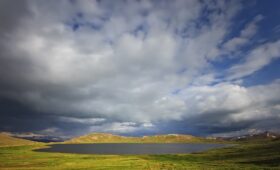
The Kalash Valleys are nestled within the Chitral District of Khyber Pakhtunkhwa, Pakistan, surrounded by the rugged peaks of the Hindu Kush range. This stunning but challenging landscape has been both a sanctuary and a fortress. The geographical isolation of the Bumburet, Rumbur, and Birir valleys allowed the Kalash to preserve their unique culture for centuries, shielded from outside influences. For visitors today, the journey begins from the town of Chitral, which serves as the main gateway to these serene and culturally rich mountain communities, promising an adventure unlike any other.
A Glimpse into Kalash Culture: Beliefs, Language, and Daily Life
To step into the Kalash valleys is to journey back in time. The culture of the kalash people is a vibrant and enchanting tapestry woven from ancient beliefs, a unique language, and a lifestyle deeply connected to the majestic Hindu Kush mountains. It’s an unforgettable discovery of one of Pakistan’s most precious living traditions, standing in stark, beautiful contrast to the surrounding regions.
An Ancient Religion: Gods and Goddesses
At the heart of Kalash identity is their polytheistic faith, a rare and fascinating belief system that has survived for centuries. Their world is alive with spirits and deities tied to the natural world; mountain peaks are sacred, and seasonal changes are marked with spiritual reverence. Deities like Sajigor, the god of flocks and pastures, play a vital role in their pastoral life. Central to their beliefs is the concept of purity (onjesta) and impurity, which guides social interactions and designates sacred spaces, especially the bashali (women’s house).
Language and Social Customs
The Kalash speak Kalasha-mun, an endangered Indo-Aryan language that holds the keys to their history. With no traditional written form, their culture is passed down through a powerful oral tradition of epic songs, folklore, and energetic dances. Community life revolves around the jestak han, a beautifully carved wooden clan house serving as the hub for rituals and celebrations. Their customs for birth, marriage, and death are deeply symbolic, and their famous festivals like Chilam Joshi are a breathtaking explosion of color, music, and joy.
Traditional Livelihood and Attire
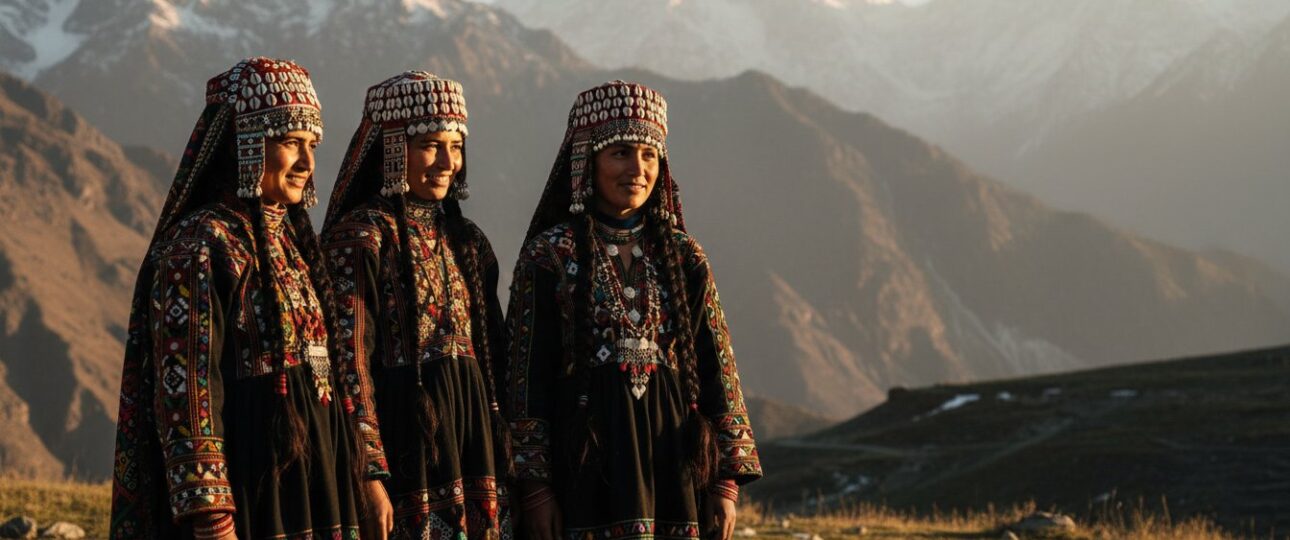
Life in the valleys follows the rhythm of the seasons. The Kalash are skilled farmers and herders, cultivating wheat on terraced fields and raising goats, which are central to their economy and cuisine. Their diet is simple yet rich, featuring walnuts, apricots, and delicious goat cheese. This connection to the land is reflected in their craftsmanship, from intricately carved homes to the iconic attire that makes the kalash people so visually stunning. The women’s vibrant, hand-embroidered black robes and magnificent cowrie-shell headdresses (shushut) are an unforgettable symbol of their proud identity.
The Vibrant Kalash Festivals: A Celebration of Life
The heart of the Kalash culture beats to the rhythm of its three major annual festivals. These are not just ceremonies; they are breathtaking, living spectacles of faith, community, and joy that have been celebrated for centuries. Drawing visitors from around the globe, these festivals offer an unforgettable journey into the traditions of the kalash people, filled with vibrant music, hypnotic dancing, and colourful rituals tied to the changing seasons.
Chilam Joshi (Spring Festival – May)
Marking the arrival of spring, Chilam Joshi is a jubilant celebration of new life and love. For four days, the valleys echo with song and dance as the Kalash give thanks for the end of winter. It’s famously a time for matchmaking, where young men and women can choose their partners. The festival is rich with rituals, including the sharing of milk and the iconic dances where women in their finest embroidered dresses and headdresses chant and move in unison.
Uchau (Summer Festival – August)
As the summer sun ripens the harvest, the Kalash celebrate Uchau to thank their gods for the bounty of wheat and barley. This festival involves a magnificent procession up to high plateaus, a sacred space where the community gathers to honour the divine. Freshly made cheese, corn, and buttermilk are offered to the gods, followed by joyous feasting and dancing that continues late into the night, celebrating a successful harvest and praying for the protection of their crops.
Choimus (Winter Festival – December)
Choimus is the most important and sacred festival of the year, a two-week-long celebration to mark the winter solstice and welcome the new year. It is a time of deep spiritual significance, featuring purification rituals and mesmerising torchlight processions that illuminate the cold winter nights. The days are filled with storytelling, singing, and feasting, with specific gender-separated rituals taking place before the entire community reunites around massive bonfires for a grand celebration.
Witnessing these ancient traditions firsthand is a truly magical experience, offering a profound connection to a unique and resilient culture. Don’t just read about it-see it for yourself. Experience these incredible festivals with a guided tour!

Visiting the Kalash Valleys: A Responsible Traveller’s Guide
An adventure into the Kalash Valleys is a journey back in time, offering a rare glimpse into one of the world’s most unique indigenous cultures. To ensure your visit is a positive experience for both you and the community, planning with respect and awareness is key. The best time to witness the valleys in their full splendour is during their vibrant festivals: Chilam Joshi in May, Uchal in August, or Choimus in December. Alternatively, the mild weather of spring and autumn offers a serene and breathtaking backdrop for exploration. Accommodation options are authentic and welcoming, ranging from simple local guesthouses to immersive homestays that provide a deeper connection to the Kalash way of life.
How to Get There: The Journey to Chitral
Your unforgettable journey to the land of the Kalash people begins from major cities like Islamabad. The most common route is by road, a scenic 10-12 hour drive to Chitral town via the Lowari Tunnel. For a quicker, more dramatic entrance, a 45-minute flight from Islamabad offers majestic aerial views of the Hindu Kush, though it is weather-dependent. From Chitral, the final leg of the journey into the valleys of Bumburet, Rumbur, or Birir is an adventure in itself. The rugged terrain requires a sturdy 4×4 jeep, which can be easily hired in Chitral for the 2-3 hour drive into the heart of the valleys.
Cultural Etiquette and Respectful Interaction
As a guest in the Kalash Valleys, your conduct directly impacts the community. Interacting with respect is not just polite; it’s essential for preserving their culture. Here are a few key guidelines:
- Ask Before Photographing: Always seek permission before taking photos of people, especially women and children. A smile and a polite gesture are universally understood. Never photograph religious ceremonies without explicit consent.
- Dress Modestly: Both men and women should wear modest clothing that covers their shoulders and knees. This demonstrates respect for local customs and traditions.
- Hire a Local Guide: A Kalash guide is your bridge to understanding their world. They provide invaluable context, facilitate communication, and ensure your visit is welcome and non-intrusive.
- Support the Community: Avoid giving gifts or money directly to children. Instead, support the local economy by purchasing beautiful handicrafts or contributing to a community-run project or school.
Planning Your Trip with a Local Expert
Navigating the logistics of a trip to a remote region can be challenging. Partnering with a trusted travel agency removes the stress, handling everything from transport and permits to vetted accommodation. This ensures your journey is not only seamless and safe but also culturally sensitive and responsible. An expert planner connects you with the best local guides, guaranteeing an authentic and respectful experience. Let us plan your unforgettable trip to the Kalash Valleys.
Challenges and The Future of the Kalash People
The vibrant culture of the Kalash Valleys exists in a delicate balance. While their isolation has protected their unique traditions for centuries, the modern world brings both opportunities and significant challenges. The future of this enchanting culture depends on navigating the pressures of outside influence while finding sustainable ways to preserve their heritage for generations to come.
Preserving a Unique Heritage
The Kalash face the risk of their ancient language and animist religion slowly fading amidst growing external pressures. Environmental changes, including deforestation from illegal logging, also threaten the natural resources their way of life depends on. Fortunately, a wave of positive action is underway. Community-led initiatives, supported by both local NGOs and the government, are working tirelessly to document traditions, promote the Kalasha language in schools, and create sustainable livelihoods.
How Your Visit Can Make a Positive Impact
For the kalash people, responsible tourism is more than just an income source-it is a powerful statement that their culture is valued and worth preserving. As a visitor, your choices have a direct and meaningful impact. By traveling with awareness and respect, you become a partner in their cultural survival. Here’s how you can contribute positively:
- Support Local Artisans: Purchase authentic, handcrafted souvenirs like embroidered textiles and carved wooden items directly from the people who make them.
- Stay in Kalash-Owned Guesthouses: Choosing local accommodation ensures that the economic benefits of tourism stay within the community.
- Hire Local Guides: A Kalash guide offers unparalleled insight into their traditions and stories, providing an authentic and enriching experience.
- Travel Respectfully: Always ask for permission before taking photographs of people, especially women and elders, and engage with genuine curiosity and an open heart.
The resilience of the Kalash culture is a testament to their deep connection to their land and ancestors. By choosing to visit responsibly, you help ensure that their unique light continues to shine brightly, offering an unforgettable journey into one of Pakistan’s most precious living histories. Explore our guided tours to experience the magic of the Kalash Valleys with respect and care.
Your Unforgettable Journey to the Kalash Awaits
Nestled in the breathtaking Hindu Kush mountains, the Kalash offer a vibrant glimpse into an ancient culture unlike any other. From their colourful festivals celebrating the seasons to their unique spiritual beliefs, their story is one of remarkable resilience and a deep connection to nature. Understanding the world of the kalash people is to witness a living history, a precious heritage that deserves to be experienced with respect and admiration.
Reading about this enchanting culture is one thing, but experiencing it firsthand is a truly unforgettable adventure. Are you ready to witness the magic yourself? Let iMusafir turn your travel dreams into reality. We provide expert local guides with deep cultural knowledge, hassle-free planning for transport and accommodation, and a firm commitment to responsible and sustainable tourism that helps preserve this community for generations to come.
Explore our tour packages and discover the wonders of the Kalash Valleys! Your journey into the heart of Pakistan’s majestic beauty awaits.
Frequently Asked Questions About the Kalash People
Is it safe for foreigners to travel to the Kalash Valleys?
Absolutely! The Kalash Valleys are considered safe for tourists, and the local people are renowned for their warm and welcoming hospitality. As it is a remote region, we highly recommend traveling with a registered tour operator or a knowledgeable local guide. This not only ensures a smooth and secure journey but also enriches your experience, allowing you to immerse yourself in the culture with complete peace of mind and discover the genuine warmth of Pakistan.
What is the best month to visit the Kalash people?
To witness the culture in its full, vibrant glory, plan your visit around one of their three main festivals. May is perfect for the spring festival of Chilam Joshi, a breathtaking celebration of life and color. August hosts the Uchal festival to celebrate the harvest, while December brings the winter solstice festival of Choimus. These events offer an unforgettable opportunity to see the unique traditions and joyous celebrations of the Kalash people firsthand.
Do I need a special permit to visit the Kalash Valleys?
Yes, foreign nationals are required to obtain a permit to visit the Kalash Valleys. This is a standard procedure that is easily managed. The permit can be acquired from the District Police Office (DPO) in the main town of Chitral before you proceed to the valleys. The fee is minimal, usually around $10. A reliable tour operator can effortlessly handle this process for you, ensuring your journey is seamless from the very start.
What kind of accommodation is available in the valleys?
Accommodation in the Kalash Valleys ranges from simple, family-run guesthouses to more established local hotels, particularly in the main valley of Bamburet. Staying in a Kalash guesthouse offers a wonderfully authentic experience and a chance to connect with the community. While the facilities are basic, they are clean and provide a genuine glimpse into local life. For more amenities, comfortable hotels are available in nearby Chitral town, just a scenic drive away.
Are the Kalash people really descendants of Alexander the Great?
This is a fascinating and popular legend that has surrounded the Kalash for centuries. While their unique customs, fair features, and Indo-European language have fueled this theory, there is no conclusive historical or genetic proof linking them directly to Alexander’s armies. Modern DNA studies have shown their genetic lineage to be complex and ancient. The story, however, remains a magical part of the mystique that makes the Kalash people so captivating to visitors.
How should I dress when visiting the Kalash Valleys?
Respect for local culture is key to a positive experience. We recommend dressing modestly. For both men and women, this means wearing loose-fitting clothing that covers the shoulders, arms, and legs. Women will find that carrying a light scarf or ‘dupatta’ is respectful, especially when entering homes or sacred areas. Comfortable walking shoes are also essential for exploring the beautiful, rugged terrain of the valleys and enjoying your adventure in comfort.